personal projects
Birth trauma project
BA (Hons) Professional Photography Kingston University 2023
Framing the Unspoken, Shadows and Light in stories of Birth Trauma.
exposed 24 graduate exhibition
Edinburgh College Photography
5th-13th June The Out of the Blue Drill Hall, Leith
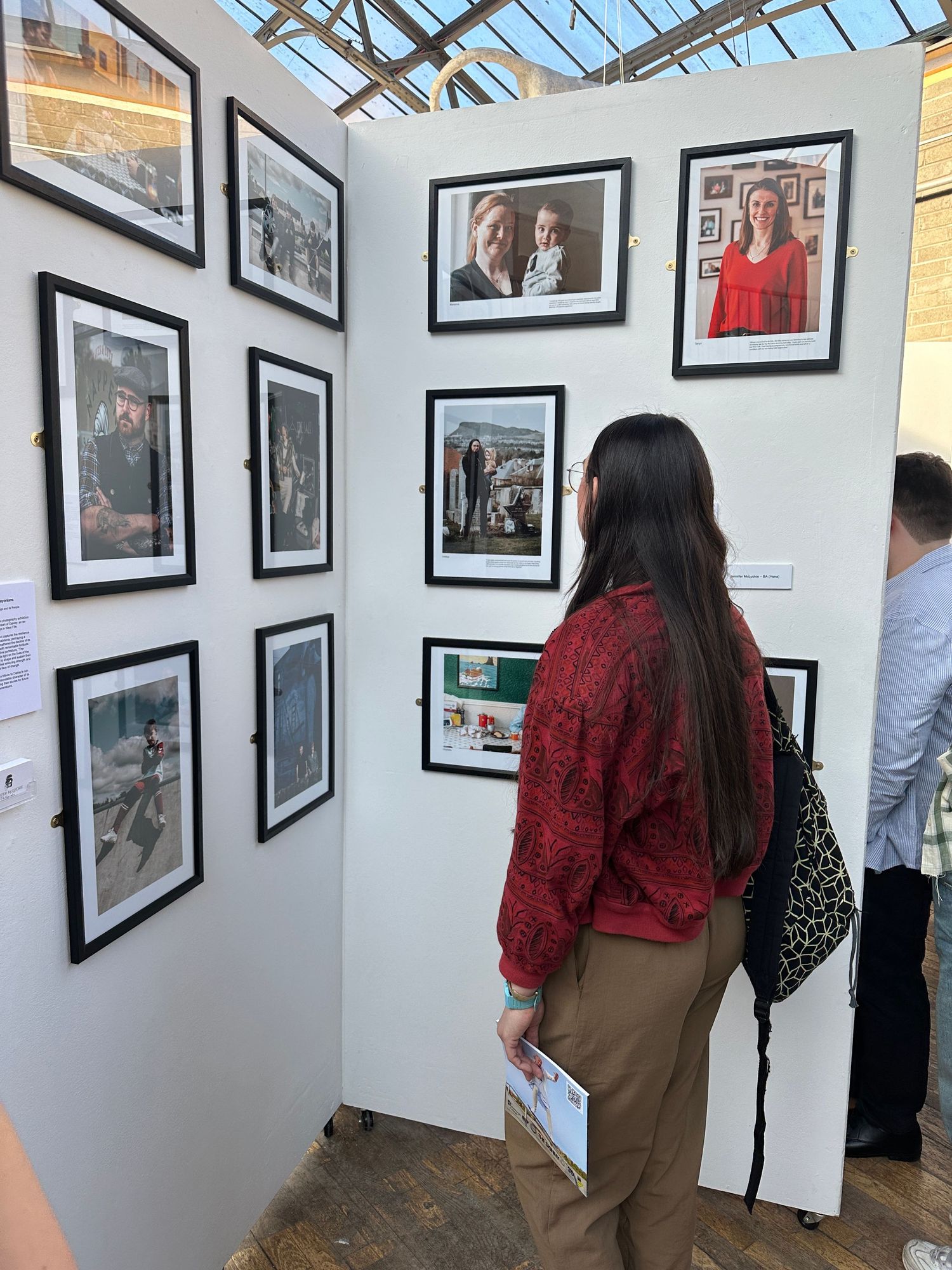
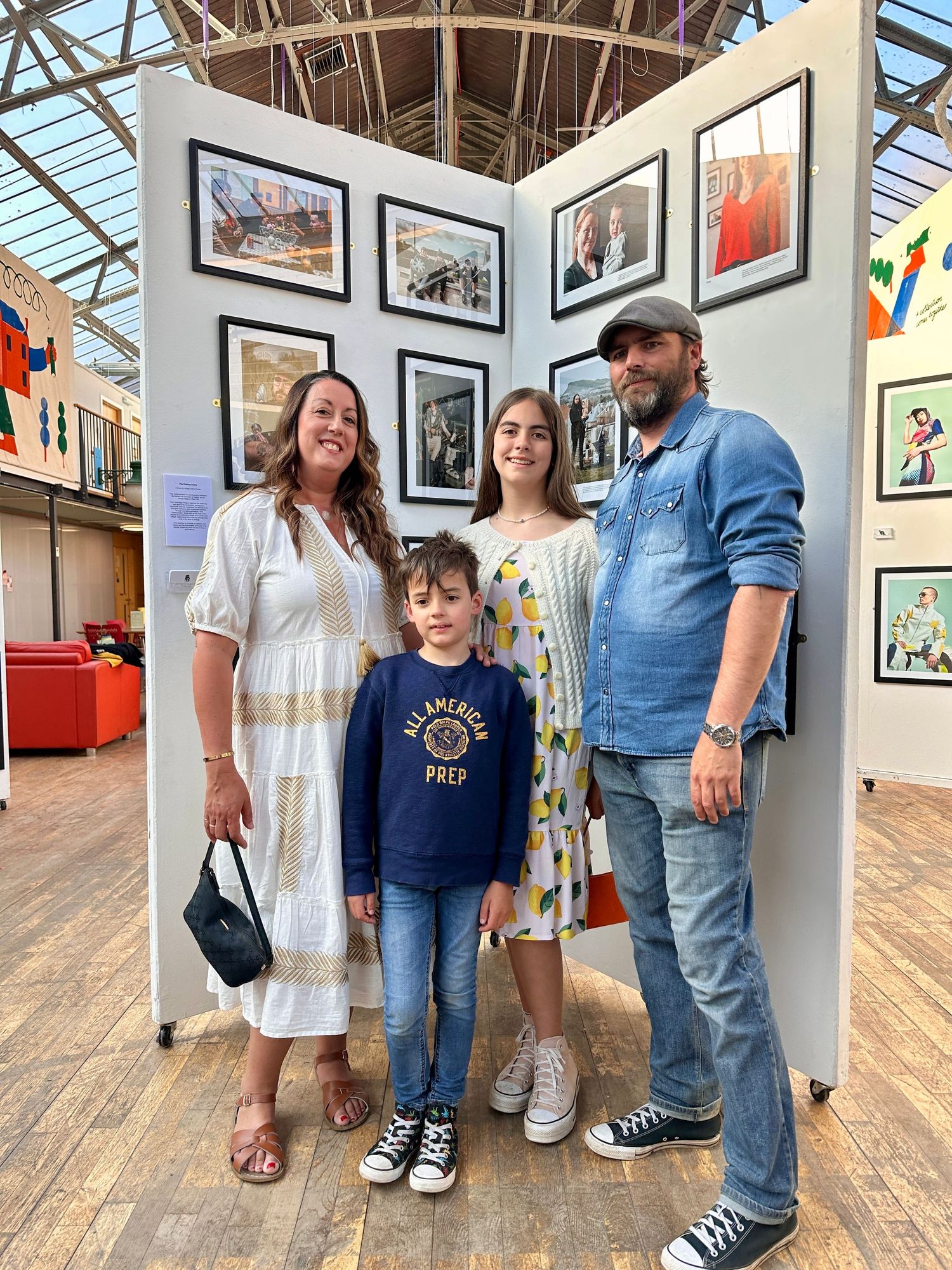
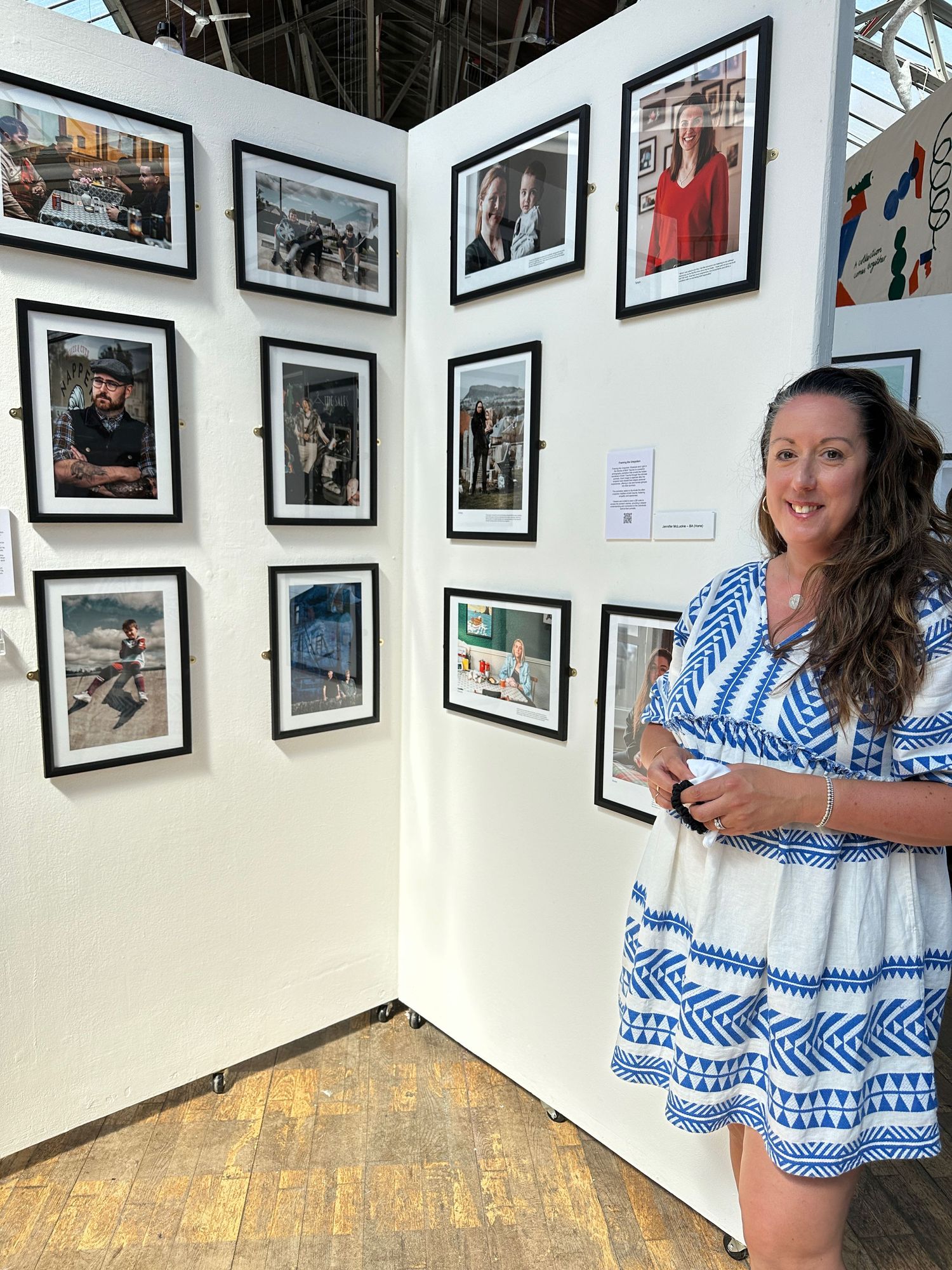
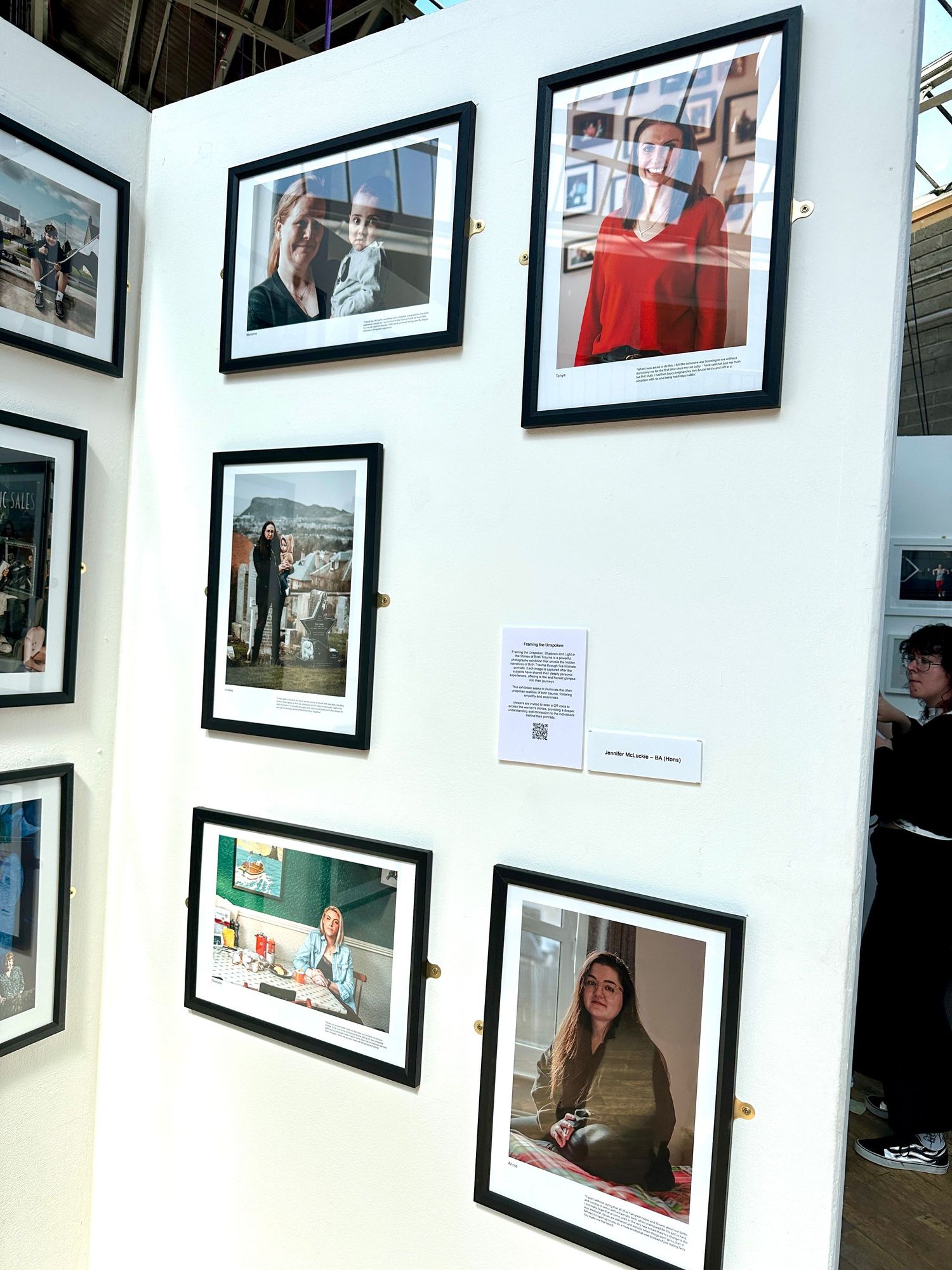
I was so proud to be at the opening of the graduate show for this year showcasing so many talented photographers. I took examples from my two main projects and was so overwhelmed by the response to my work in particularly this particular project on Birth Trauma. Please scroll below to read the stories of the women's portraits that are exhibited including my own, also the visual essay is available to read at the end. Thank you and if you would like to comment on the work please get in touch via the form below.
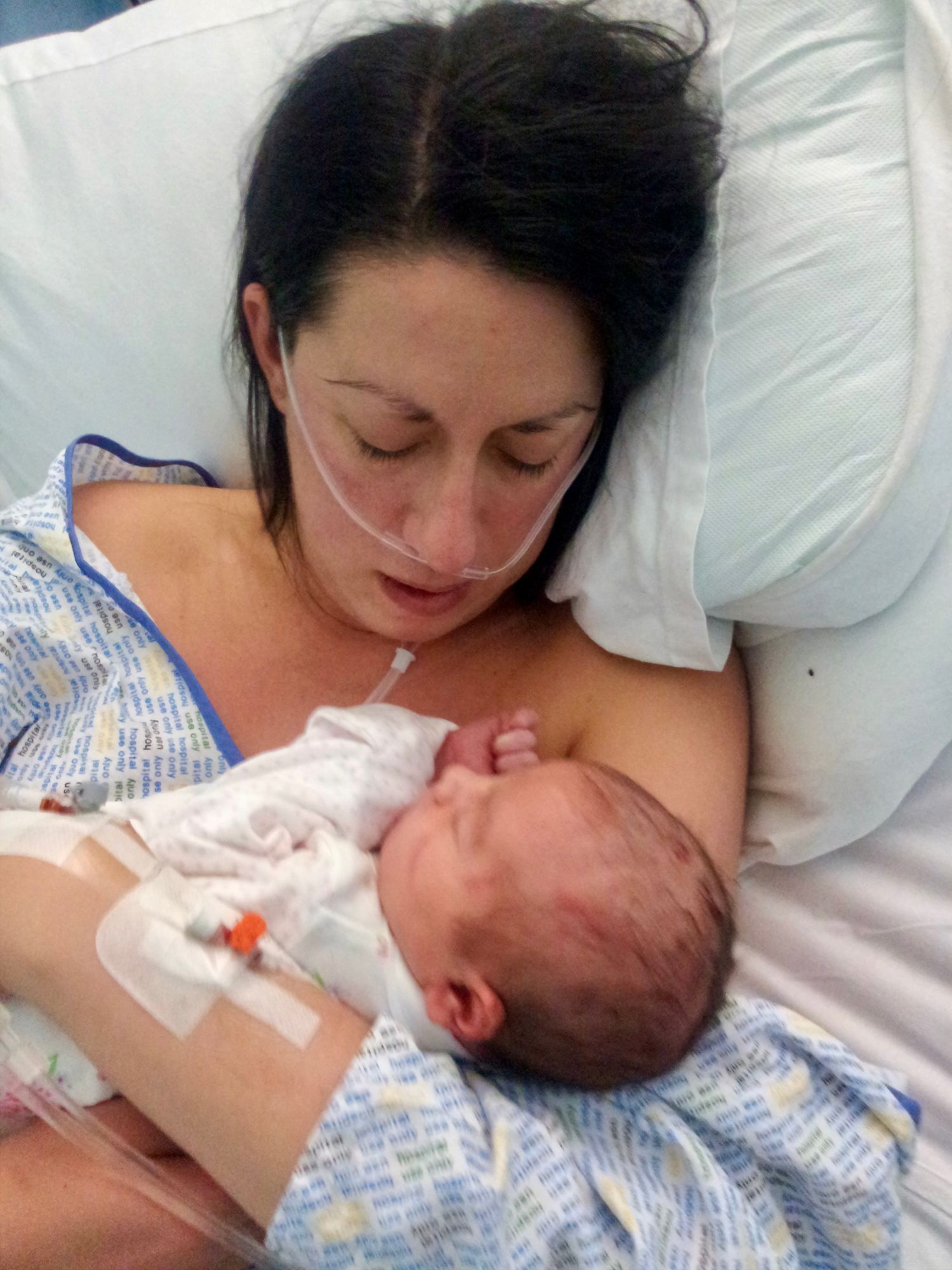
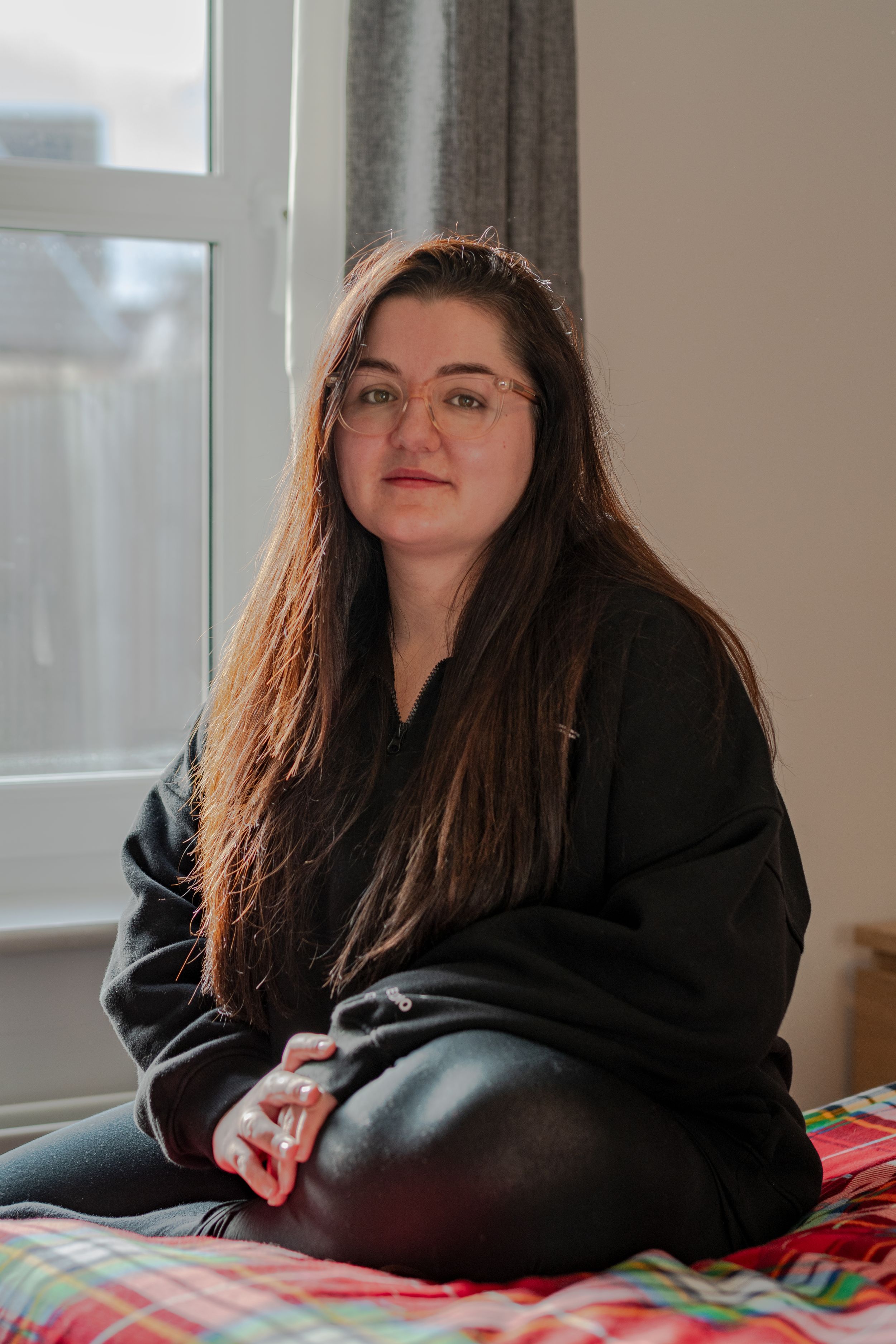
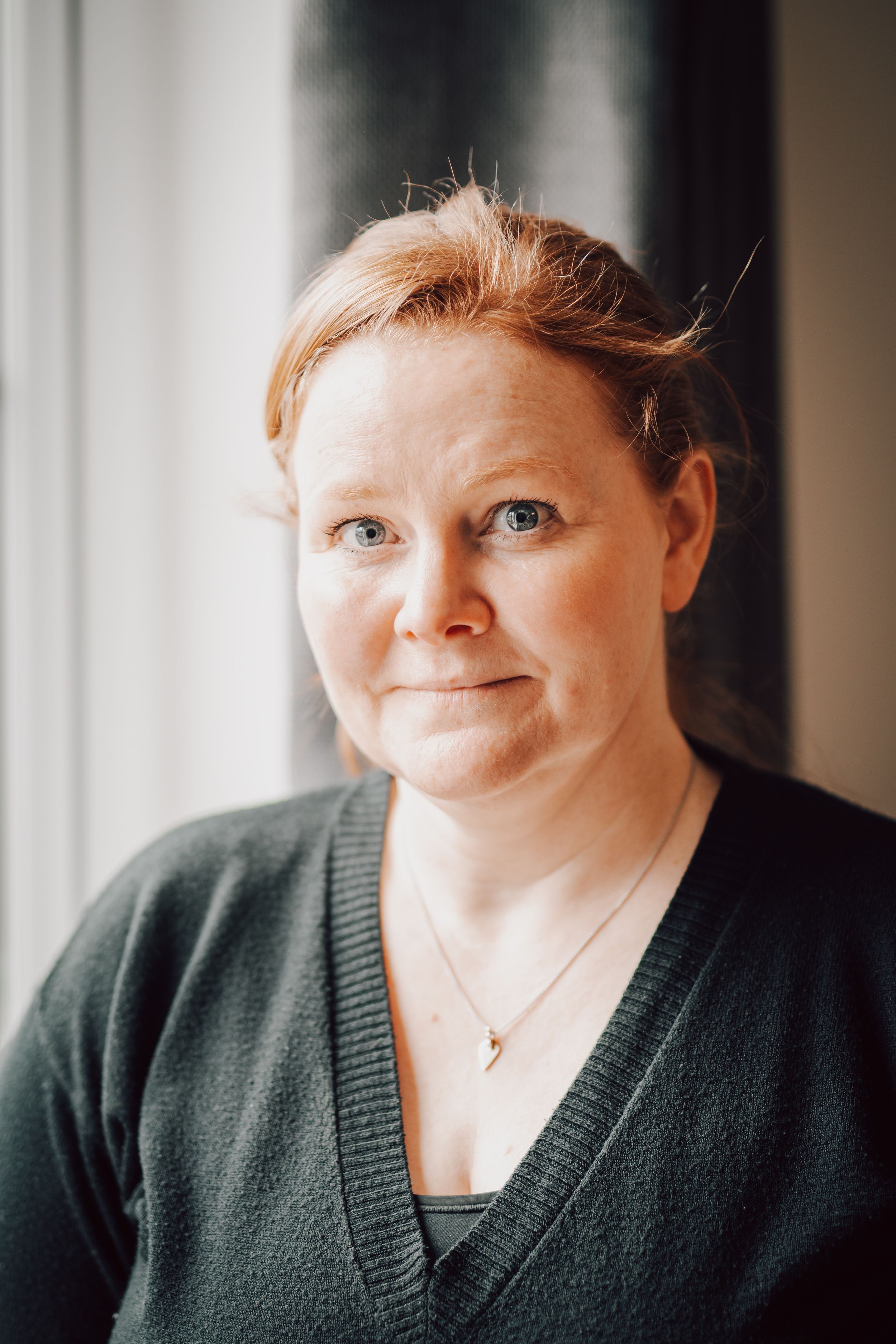
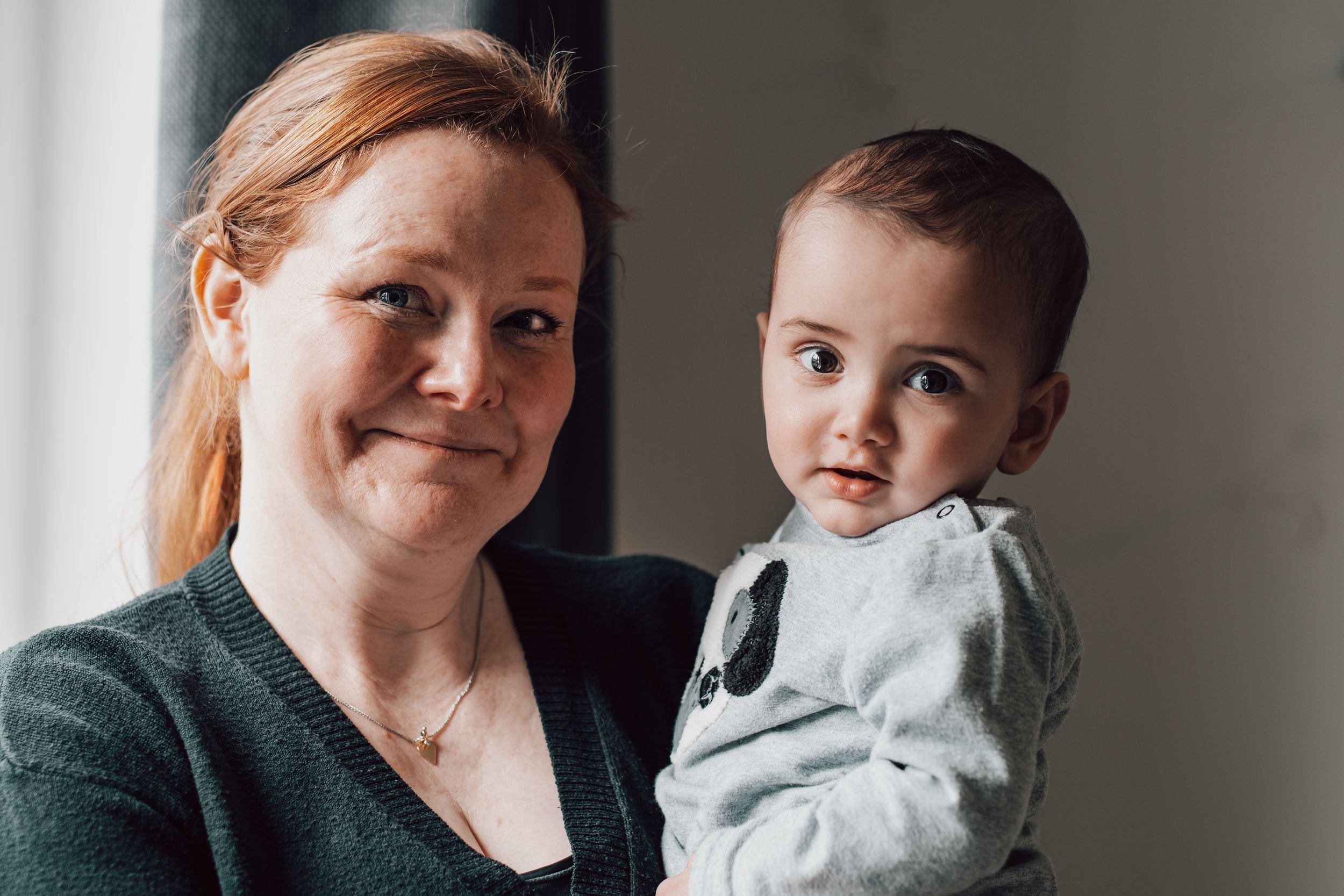
My name is Jenni and I am a Birth Trauma survivor. Sounds dramatic, doesn’t it? Well, it was. It was not the blissful ideal of birth first-time time mums are led to believe, watching influencers on social media, reading the glossy baby magazines and don’t even get me started on that idealistic Birth Plan.
On July 12th 2012 I went into hospital to be induced at 13 days overdue with my 1st child. Exhausted but excited to meet my baby. I wasn’t labouring naturally so was hooked up to a synthetic Oxytocin drip with the dose being increased over the day. After several hours it became apparent that my waters were not breaking and after several nurses and doctors trying manually they eventually went with the doses of oxytocin being upped the whole time.
I was labouring for over 30 hours with no signs of my daughter arriving, the pain was inexplicable. I had been given diamorphine several times in the day and had requested an epidural which was eventually arranged. The anaesthetist put in the spinal tap but in the chaos of labour and pain I didn’t realise that the procedure hadn’t worked. My daughters heart rate was not traceable and they attempted to attach a blood oxygen probe onto her head which was now crowning, the machine failed so the emergency button was pressed and I was rushed off to theatre.
I was moved onto the table actually moving my legs and able to shift my body onto it. At no point did any theatre staff realise I shouldn’t be able to do that if I had an epidural and should have been numb from the waist down. Everything was horrific, frightening and unfathomable to me and I had no concept of what was going on or what was to happen. The obstetrician began an emergency caesarean section making the incision when I was not numb from a spinal or an epidural, the pain was unbearable and I screamed that I could feel everything. It was genuinely like a scene from a horror movie where everyone stops to look at you and you can’t make yourself understood. I was immediately given a general anaesthetic and that was the end of birth for me. I subsequently haemorrhaged in theatre, my uterus needing a lifesaving surgery and lost my hearing. I was in high dependency for 4 days unable to care for my newborn baby or myself. There were a number of key events that could have been acted on that were not and I have had difficulty coming to terms with birth, ptsd, medical fear and many other issues.
The aim of this project is to include discussion on the psychological and physiological effects of birth trauma on the mother, the potential long-term consequences on their mental health, ptsd and bonding. Also to consider what systems are lacking in post-partum care within the NHS and alternative care. I will look at how images in photography can bring on PTSD reactions but also how some images can help to heal especially in identifying other women who have been through something similar. I want to meet with women who have experience of trauma in birth, evaluate the different responses and take a meaningful portrait of them.
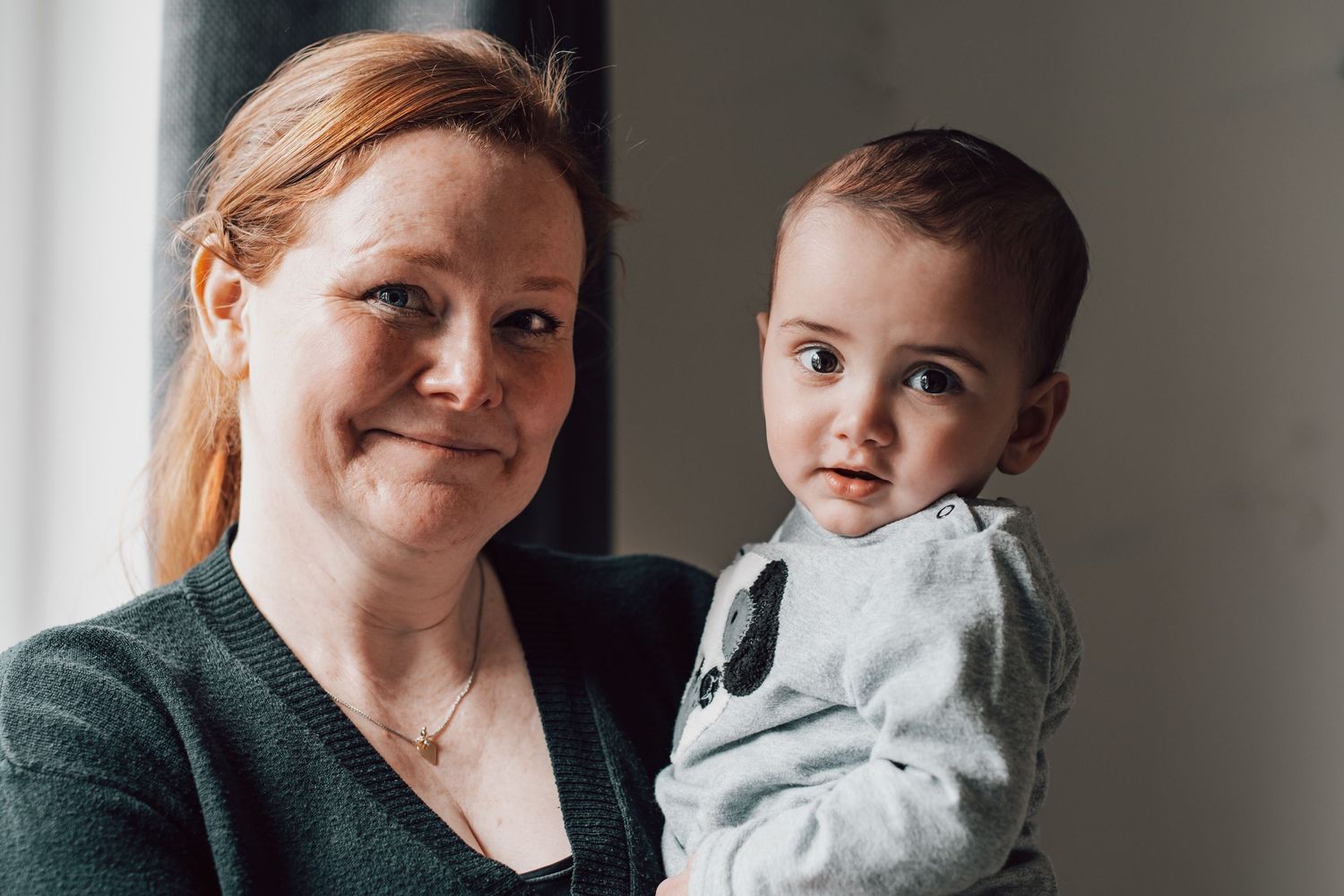
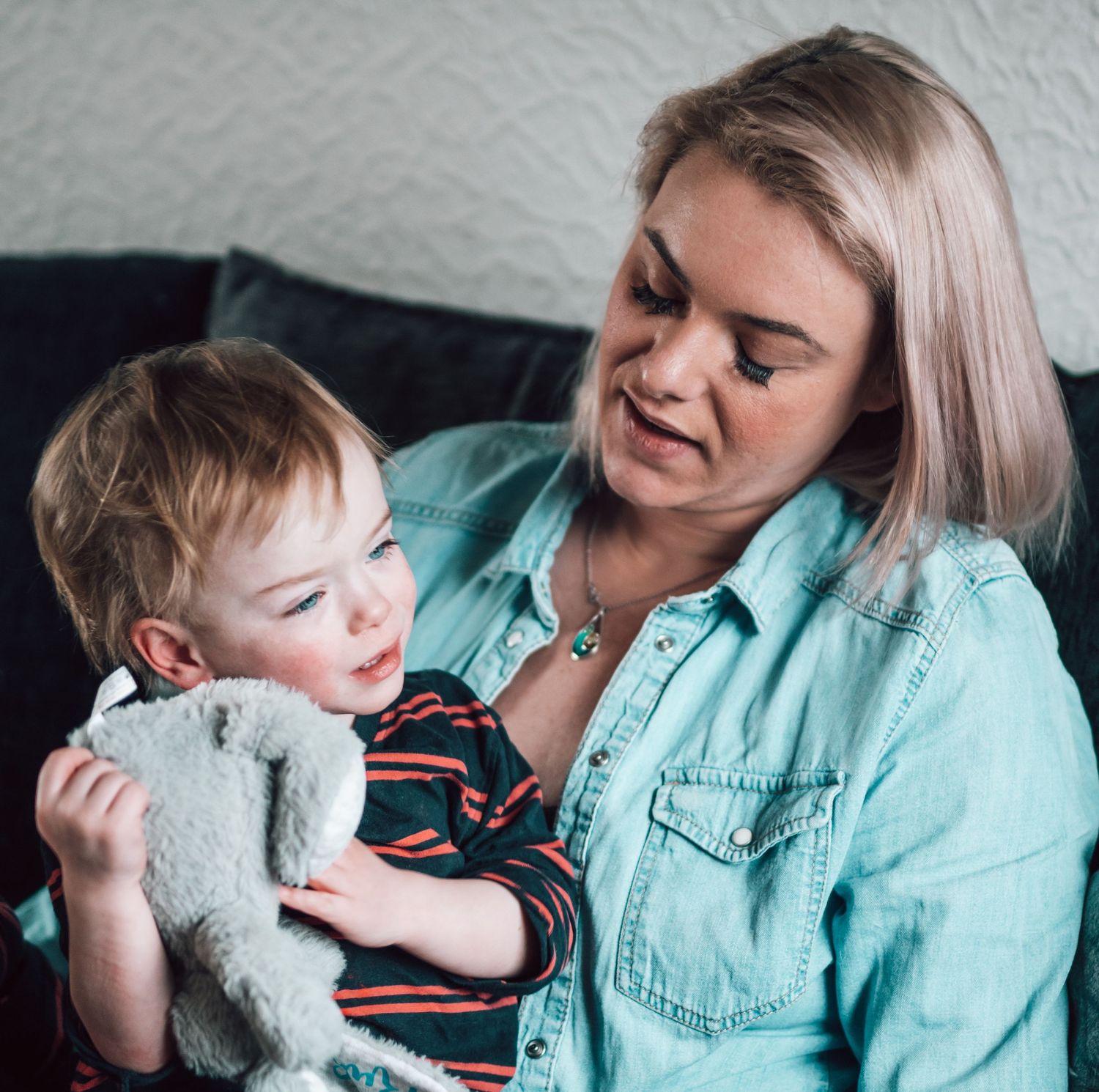
Marianne's story
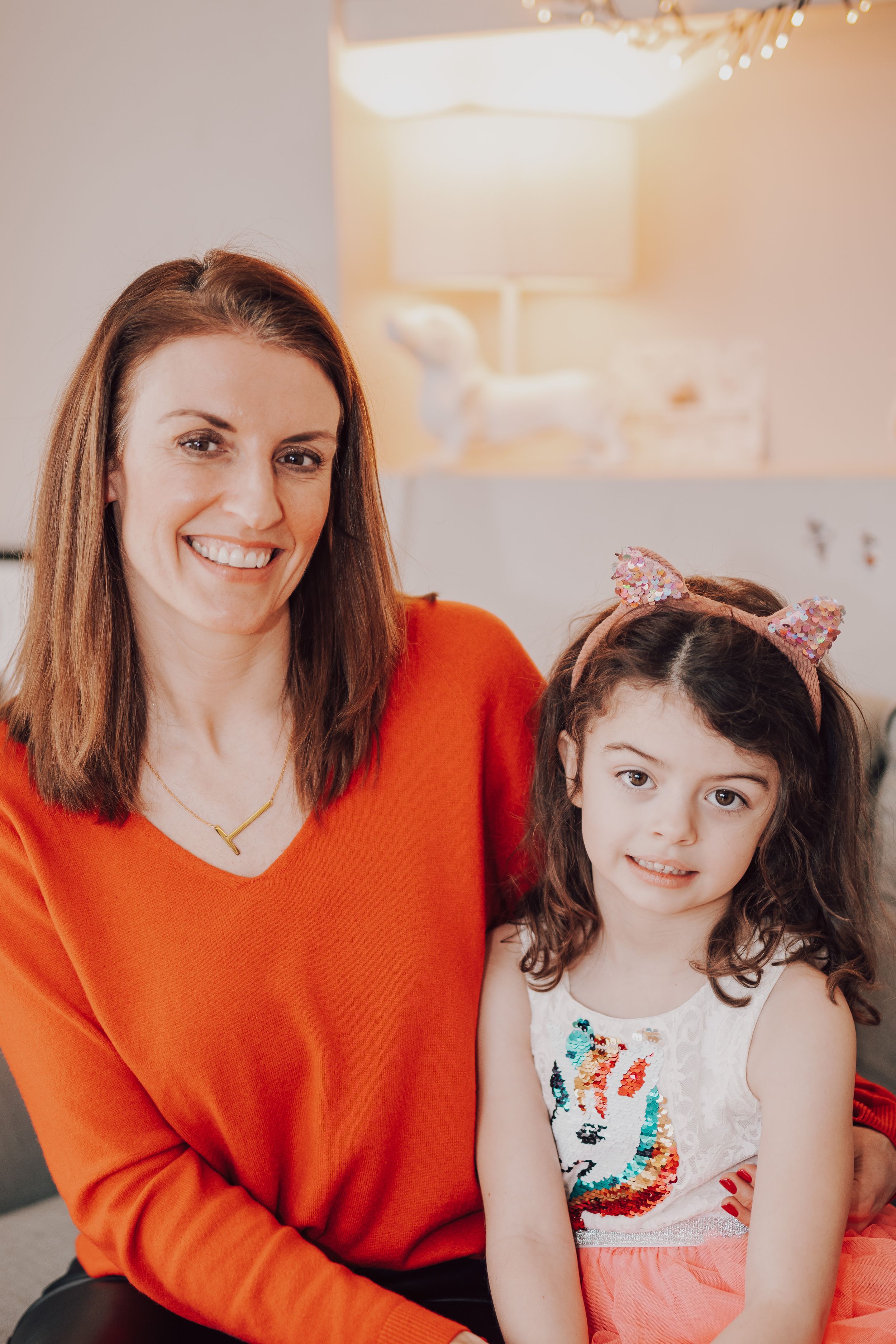
Marianne became a mum for the first time 10 months ago after going through the IVF process, little Leo was their last embryo. She gave birth via C-Section at 39 weeks however Leo was born unresponsive and taken away from her. It has taken a long time for Marianne to feel able to heal from the trauma of not receiving an adequate birth experience due to lack of communication from medical personnel. She felt dismissed and spoken to using medical jargon and not in a sympathetic manner.el able to heal from the trauma of not receiving an adequate birth experience due to lack of communication from medical personnel. She felt dismissed and spoken to using medical jargon and not in a sympathetic manner.
testimonial
I loved our meeting. It was just so nice to feel a space to share my story and also to hear your story. I feel heard and I feel I'm not alone in some of the feelings I had post delivery with my care whilst my baby was being critically cared for with the most amazing team. 75% of the staff on ward were amazing but it only takes one or 2 people to make yoi more anxious unesesarily and if my husband hadn't been allowed to stay with me (as he coped mainly with all the updates for our son when i feel i wasnt coping and couldnt handle the influx of information) it would have been detrimental to my mental health. I am grateful for the NHS, but some tweaks on the maternity wards are needed for post natal care & support.
Meeting Jennifer, telling my story and having pictures taken felt quite natural and like a download/relief of information to a very compassionate ear. Then seeing the photo of me as a mother with my beautiful boy just gives me such a sense of gratitude to have him here and thriving. A sense of closure. Definitely a therapeutic experience.
Thank you so much.
Marianne
Feedback
I still can't thank you enough for your work on your project and choosing us to be a part of it. It has been a privilege and really helped me take a positive step forward. You were amazing to talk to and share stories with. You could do counselling long term if you need a backup profession from photography for sure! Wish you all the best for your current endeavours. Marianne x
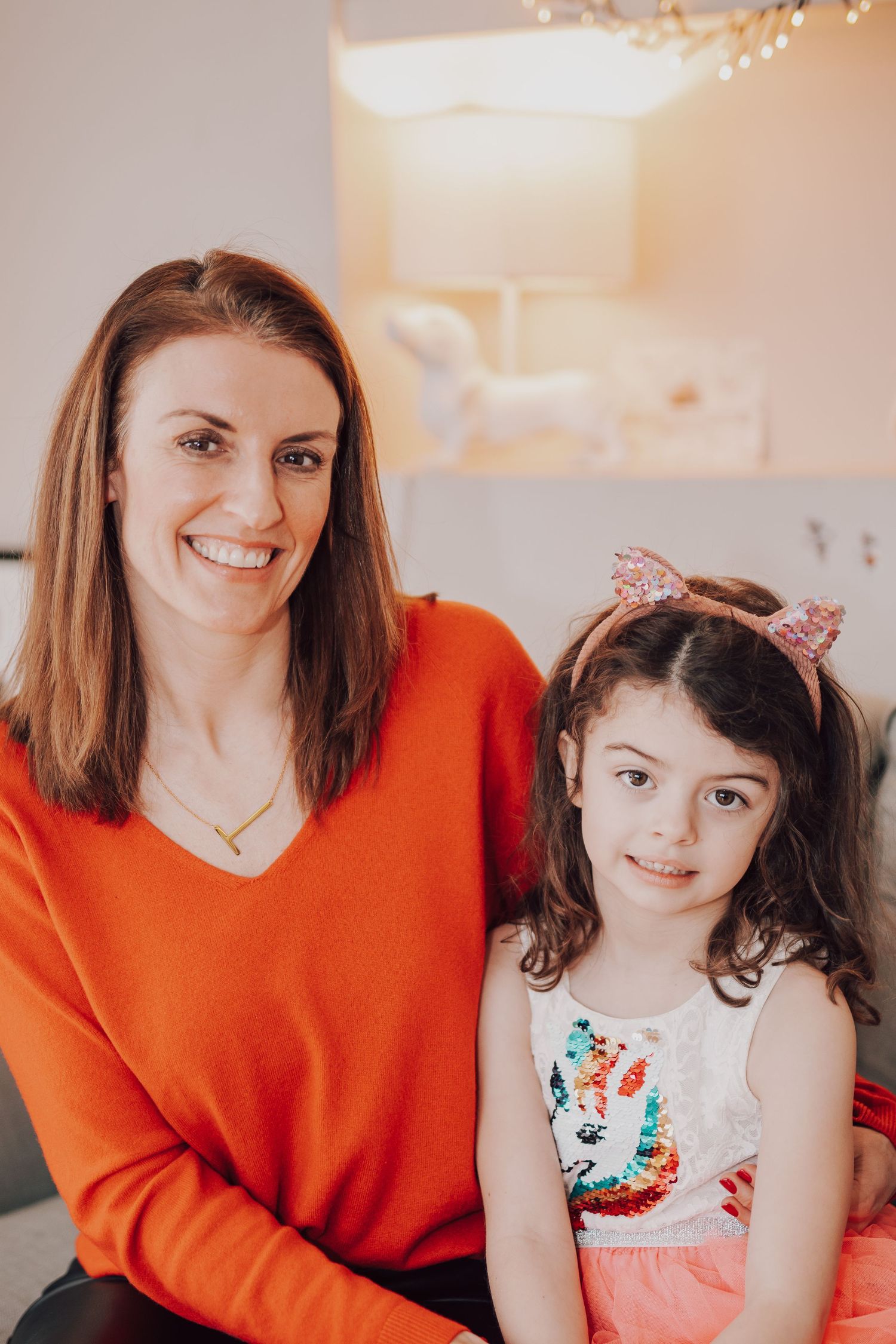
Tanya's story
I’ve had two very unwell pregnancies: both times, I was crippled with migraines and constant sickness. I was frequently dismissed by doctors and midwives: so few understood that it is possible to treat migraine in pregnancy.
During the birth of our son, I was given too many drugs without checks on dilation progress and my baby was born not breathing and immediately removed from me to Resuscitation then Special Baby Care. During the birth, the midwife had pushed the surgeon out of the room when he had said I needed an emergency c-section to prevent this happening. Mercifully, our boy was perfectly fine.
During my very ill second pregnancy years later, I asked for a planned c section to avoid a repeat of this. Instead, I was heavily pressurised against this by midwives during the pregnancy. Foolishly, I thought they knew best. Instead, the baby got stuck, her heart rate dropped, it was too late for a c section and our daughter was born with forceps, with me getting a large episiotomy. She was fine but this resulted in life changing birth injuries for me. It took me three years to be given the MRI I needed to show the extent of this which only then led to hospital referrals - none have given me satisfactory answers or help.
As a second time mum, I was left unattended once on the ward with my baby. I was sick with migraine from the epidural and very confused, but water and painkillers were withheld from me. Very few midwives attended to me in this state. I was talked to as if I was mentally unstable and as if I was at fault but all I needed were painkillers, sleep, food and reassurance. My records were falsely altered to record when I’d been given food, water and painkillers: very few midwives came near me but they altered my records to pretend they had.
I remain deeply concerned at the physical state so many women are left in through pregnancy and childbirth. I should have been listened to each time I spoke up to midwives and medics at every point of the pregnancies, births and postnatally. None of them listened to me at all.
testimonial
Hi there….
When I was asked to do this I felt like someone was listening to me without dismissing me for the first time since my last baby.
Once I wrote my words down, then saw them in print, it did cross my mind ‘have I embarrassed myself by revealing so much personal info?’
But I really quickly dismissed that thought: I have said not just my truth but THE truth: I had two lousy pregnancies, two brutal births and left in a condition with no one being held responsible.
Speaking to Jennifer too was so helpful and reassuring: we agreed we are gaslit by the media and the nhs as to how wonderful midwives, medics and the NHS is….yet we both know differently as we were treated so badly with life long injuries. It was a huge relief to have my feelings echoed by Jennifer.
It’s been a privilege to be chosen and I am so grateful to Jennifer.
Tanya
Xxx
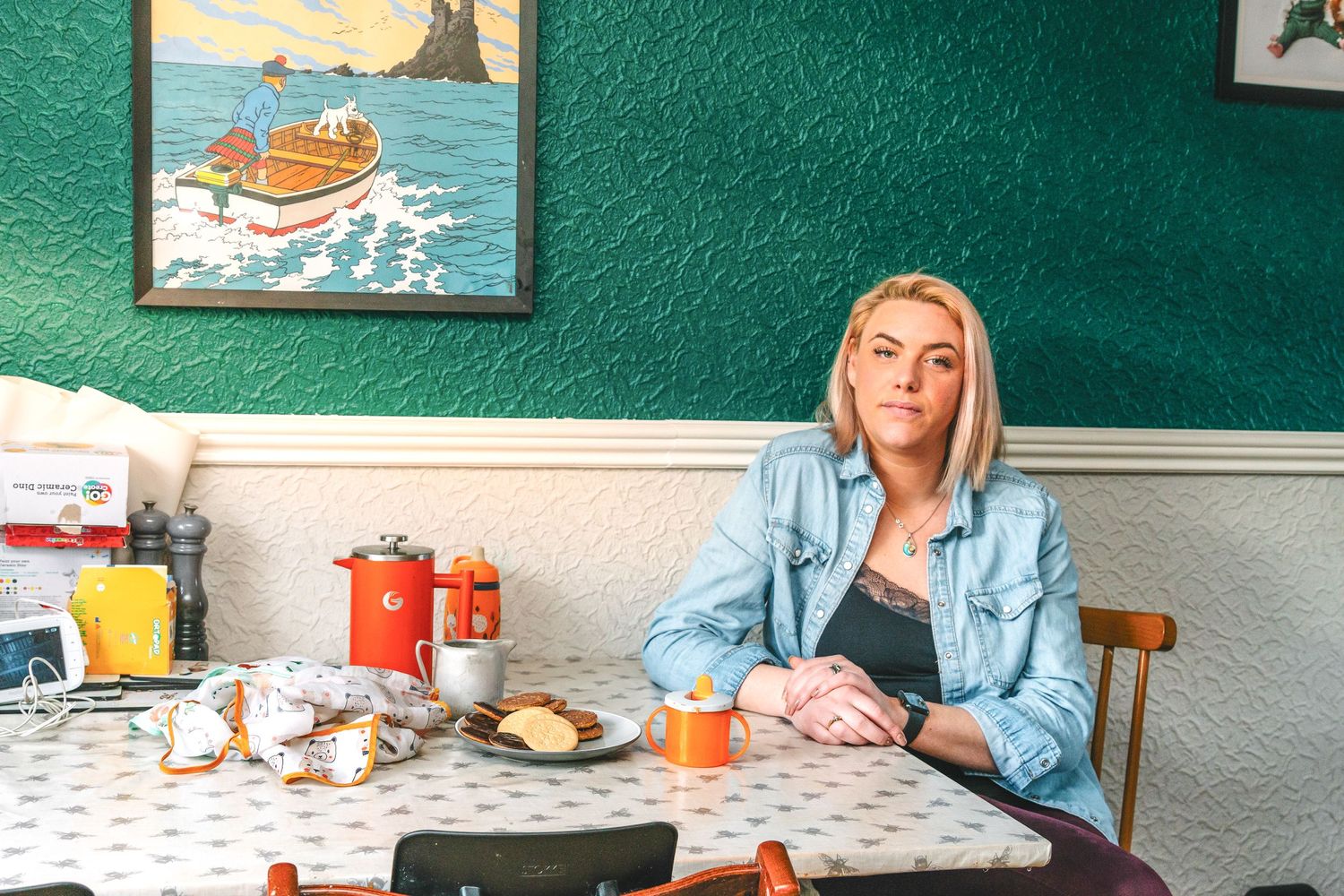
charlotte's story
Charlotte is a mum to twin boys aged 2.5 they were born unexpectedly early at 27 weeks. She had experienced a bleed at 13 weeks and was left unattended in hospital waiting room for 7 hours worried that she was potentially miscarrying with no reassurance, this was Charlotte's first negative experience with the NHS. Thankfully she was not miscarrying and left after a scan.
After being at a friend’s wedding she began to feel pains and being only 27 weeks at the time called triage and was advised it was too early for labour and to take some paracetamol. After the pains continued on the journey home, she called triage again they then suggested for her to come in to be monitored. Charlotte went in alone as it was miscommunicated if her husband was allowed in or not. It was the case that she was in labour and was placed on a Pitocin drip which caused distress and temporary blindness. She was told to prepare for the worst outcome. Charlotte was sent for an emergency C-section and as she was put under general anaesthetic her husband was not allowed in meaning neither parent saw their sons being born. She feels that none of her wishes were adhered to completely losing out on having birth stories with her babies. The twins were taken to neonatal care.
In the days that followed Charlotte suffered severe pain in her stomach and was dismissed regularly by staff saying this was normal after a section however she felt that something was acutely wrong. She asked for pain relief and was made to feel like an addict and as such the medication was withheld from her resulting in pain and distress ultimately making a complaint made about one nurse in particular.
When her mum came to visit on day 5 to find Charlotte still in bed in severe pain as a prior midwife herself noticed that basic practices were not being met, needles left out and gloves not being worn. Charlotte was examined by several medical staff during these days who could not understand why she was in so much pain postpartum, even after an ultrasound they were inconclusive on any results. Eventually after 9 days an internal bleed was located in Charlotte's abdomen filled with 2.5l of blood. As she had been left for so long, she was found to be septic and at real risk of death. All this while she had two ill babies in neonatal care the twins remained there for 13 weeks.
Charlotte feels like she was not listened to at many stages of her Birth experience and is left with Birth Trauma in addition to coping with the death of her father and learning to care for twin babies. She was advised that an investigation would be carried out but as yet she has nor received any contact from the NHS board. She feels mentally unable to make a formal complaint and as it has now been over the allocated 2 years won’t be able to make her feelings heard.
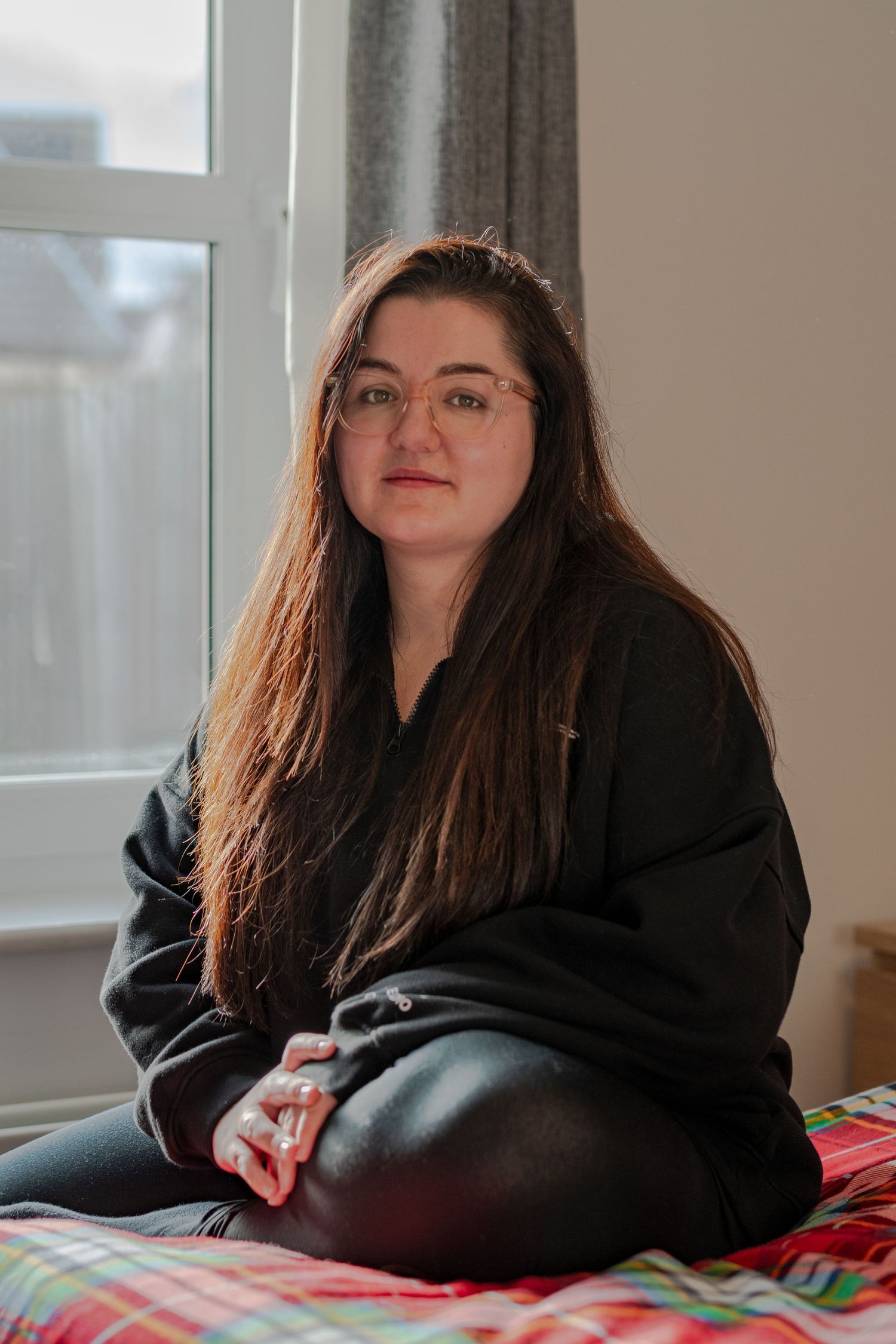
annie's story
(Names of Locations and Medical personnel have been omitted as complaint is live)
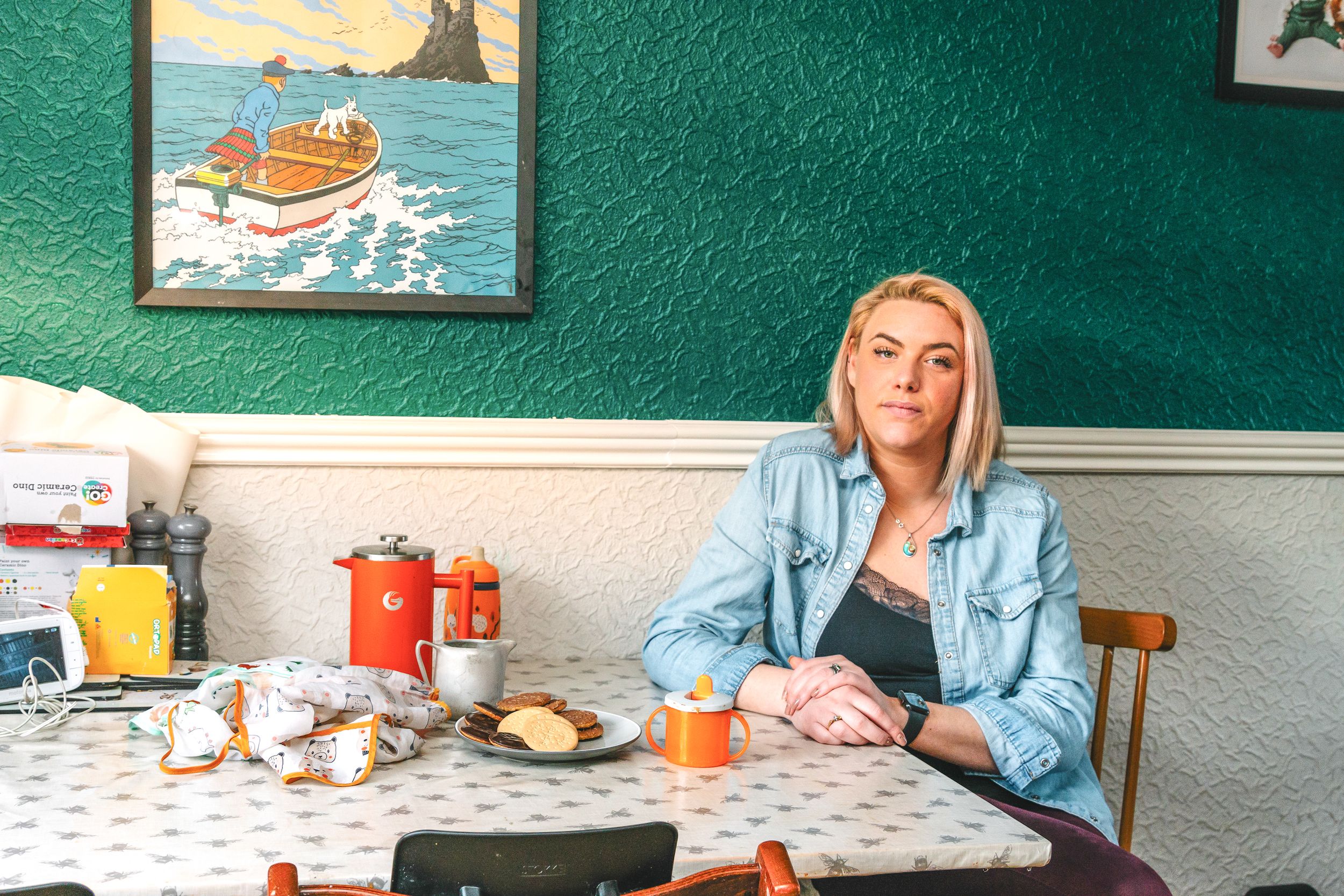
I feel obliged to send formal feedback regarding my recent experiences in the NHS care I received at MATERNITY DEPARTMENT in relation to my son’s birth and my pre and after care received.
In July 2023, I called triage as I had blurry vision, very swollen feet and ankles. Previously having had a history of raised blood pressure during the end of my pregnancy, I was told to come in for monitoring. Whilst being monitored my blood pressure was raised and wouldn't go down. At this point, I was told I would be getting induced that night/Wednesday morning as this was the only way to ‘cure’ pre-eclampsia. Wednesday passed, Thursday came and went. I was repeatedly told that I was not a priority and kept getting told there were too many emergencies coming in, although I had been admitted for over 48 hours at this point. During these days I was on blood pressure medication which made me chronically sick- anything I ate or drank was coming back up. Each day other women were coming in and out of the beds around me which was extremely frustrating and disheartening, and I felt like I was not being treated fairly.
Complaint 1-
Being told I was going to get induced due to my medical condition of pre-eclampsia within a certain time frame which didn't happen. Leaving me mentally and physically drained, anxious for the health of my unborn child- not an ideal state to be in when about to have my first baby. On the afternoon of Friday, I was finally told it was my turn to go through to the labour ward to be induced. As I was already 2cm dilated it was straight to breaking my waters which took 3 different people - the midwife, the charge midwife and finally a doctor. I asked for a few hours to see if I would get contractions naturally, however, this didn't happen, and I was put on the hormone drip. If I remember correctly, I was on the drip for around 14 hours and a lot of that time was on the highest dosage 24 ml per hour. At some point in the morning hours, I was told I was only 5cm dilated and the baby's heart rate was not how they would like it to be, so I had to go for a caesarean section.
For me, this was the worst-case scenario, and I went into panic mode, as I had not been prepared for this eventuality. Whilst high on gas and air, as well as a morphine injection I was given a consent form to sign - I don't really remember much of what was explained to me but regardless, I felt like I didn't have a choice - if I didn't go through with the section my baby’s life was being put at risk which just was not an option. When the anaesthetist came to do my epidural, it took 6 attempts. Every time they moved the needle in my back, I could still feel contractions in the right side of my body. Since it was taking so long, theatre were pressuring the anaesthetist to hurry up and was given an additional 15 minutes to get the epidural to work otherwise I would need to be given a full spinal or a general anaesthetic- this then sent me into further panic and I refused to be given a general anaesthetic. Eventually the epidural appeared to be working but when I was taken through to theatre, I could feel pain when they made the first incision. I shouted in panic that I could feel the pain and slicing of the knife. The anaesthetist put something in my drip and told me I wouldn't feel it in the next 30 seconds. I don't really remember much after that, but my partner said it looked like my eyes rolled back in my head and I looked like I kept coming in and out of consciousness. I remember the surgeon holding up my baby for a few seconds to show him to me, then he was whisked away with my partner and the midwife. I remember coming round in the recovery area a couple of hours later and finally being able to hold my baby.
Complaint 2 –
Having an ineffective epidural which was not done to a good enough standard causing me to feel pain when being cut into. I am still having flashbacks to this day about the C-section and have been referred to a psychologist with suspected PTSD.
Complaint 3 –
Not being given the option for immediate skin to skin with my baby, I feel like this affected our bonding. Having the first ‘golden hour’ was very important to me and I feel I could have had my baby placed on my chest with my partner helping to hold him there. I don't understand why I wasn't given this opportunity because I have seen many pictures of people who have just had a c section holding their baby whilst being stitched up. It worried me that I was left by myself getting stitched up whilst my family were away. After recovery I was taken to the high dependency unit, I was not told why I was there instead of in a normal postnatal ward. Whilst in this ward I was looked after by a midwife and a student midwife. I was trying to breastfeed however, he was finding it really hard to latch on and would scream when he couldn't do it. Because of this I was expressing and feeding him via syringe. Later on in the day when my Mum and Dad were visiting it seemed he was getting hungry whilst the midwife was there. Without asking she moved my robe to expose my breast and tried to latch him on by quite aggressively shoving my nipple into the babies mouth. Again- he tried, couldn't latch, and screamed. This whole experience really upset me, I wasn't ready for my family to see me and him going through being unable to breastfeed. I was then quite rudely questioned why I was syringe feeding and I should just be breastfeeding. After the traumatic birth experience I had just endured, this was extremely upsetting for me and made me feel like I was failing. I would like to point out here that the student midwife was extremely supportive during this time and was helping me express into syringes. The whole day - every time he fed, he would get milk coming from his nose, he would make a clicking sound when taking a dummy and would find it hard to keep the dummy in so would usually have to hold it in for him. We didn't know at the time, but all of these things are symptoms of a cleft palate which was not diagnosed in the hospital despite midwives and doctors witnessing all of the symptoms and us flagging to a midwife that we think he has a hole at the back of his throat which was just shrugged off. It wasn't until a couple of weeks after we got home that my sister noticed a hole in the back of his throat and advised us to get it checked by professionals. I told the health visitor who referred us to the GP, who then referred us to the cleft specialists and confirmed that he does have a cleft palate and will require surgery to correct this. If this had been picked up in the hospital it would have meant we had a better understanding of his feeding difficulties and work together to support this.
Complaint 4 –
Being made to feel uncomfortable, embarrassed, judged and belittled by a midwife for not being able to breastfeed when in fact it was impossible for him, due to his undiagnosed cleft palate. At the time I remember being so upset and thinking it was all my fault and that I am not woman enough to be able to feed him.
Complaint 5 –
My babies cleft palate not being picked up during his newborn checks and the symptoms and our concerns being dismissed. This was also not picked up in his checks when he left the neonatal unit where he had to stay when i went to the Western which i will go onto next. If the cleft palate had been diagnosed when it should have been then I would have known, it was not possible to breastfeed and wouldn't have been made to feel the way I did. It was noticed later on the Saturday that I had some blood in my catheter. At first, I was told that it was the catheter which had been inserted incorrectly so they took that one out and put a new one in. Midwife told me this was definitely what was wrong and a new catheter would do the job. You could not have convinced her otherwise she was so adamant that this was the problem and kept repeating it to me. After a new catheter was inserted there was still blood coming through. It was monitored for a short time, then I was suddenly surrounded by medical staff and my family were asked to leave- this is when I realised something more serious was going on and was scared. I got sent for 2 CT scans which suggested a high-grade ureteric injury. When I was away for the second scan, a doctor came to speak to my partner and said that if this doesn’t get fixed quickly then it would be life threatening - this was extremely distressing for him. Due to the injury I had to be transferred to the for surgery on Sunday. I had to leave my 1-day old baby in the neonatal unit in the royal hospital whilst I went for the surgery which was extremely traumatic and I still have nightmares about it to this day. After the surgery was complete, while I was still in recovery, the surgeon told my partner that the ureter injury was caused during the C-section and quote ‘they have nicked it’. During the surgery they inserted a stent into my left ureter to let it heal and was told I would be back in 6 weeks to get it looked and if it is healed then I will get the stent out. The 6-week time frame is also recorded in my discharge notes.
I spent the night in the Western and was transferred back to the Royal on Monday.
Complaint 6 - Ureter being damaged during C-section and not being noticed at the time. After a couple of days, I was moved from the high dependency unit into a side room. My C-section dressing was removed and was told by each midwife and doctor that looked at it that it was healing nicely except for one small hole that was weeping liquid. Each person said that it was not infected and that the small hole will just take a little longer to heal. I got a midwife who was extremely thorough and wanted to check everything was ok before I went home. She took a swab of the liquid coming out of my wound and sent it for testing. The results came back that the wound was in fact infected. She also looked through all my previous blood results and noticed my iron levels were low which I was never told and hadn't been given iron tablets to take. She told me that the low iron levels will be contributing to my wound not healing properly. I finally got discharged on Monday with a huge bag of medication. After a few days of being home I was getting what felt like contraction pain and was told to go back into the hospital where they diagnosed a womb infection which I was given even more antibiotics for. At this point I was taking 22 pills each day and found it really hard to keep up with what to take and when.
Complaint 7 - Missed wound infection despite multiple checks per day on it.
Complaint 8- Missed low iron - if I had been getting this before then my wound may have been OK.
Fast forward to 6 weeks postpartum and I should be receiving an appointment to get my stent looked at. By this point I had already started to feel some abdominal pain especially after any sort of exercise and the sensation that I needed to pee all the time but not actually being able to go every time and when I was able to pee it never felt like I was emptying my bladder fully. I just put up with it as I thought I would be getting seen soon. I allowed another couple of weeks and decided to call Surgeons secretary to see what was going on. She never answered the phone and never returned any of my messages. By this point I was in a lot more pain and for context could no longer take my dog for even a quick walk around the park. I couldn't get through to anyone, I even tried all the other secretaries. On Wednesday I spoke to my health visitor, and she told me I should go to A&E since my pain is so bad. After 8 hours in there I was diagnosed with ‘stent syndrome’. I was given a prescription for medication that they originally told me was fine to take during breastfeeding (As the baby can't breastfeed i am expressing so he is still getting breast milk), however, when I went back the next day to collect my medication I was then told it’s not safe for breastfeeding. They then gave me some dihydrocodeine for pain management but I was not prepared to take this as I know it makes me drowsy, looking after a newborn is tiring enough without taking medication that makes you drowsy on top of that. It just didn't sit right with me and didn't think it was safe. So still no further forward I found a number online for the urology department so called them and managed to speak to the secretary this way, so she was available. She then told me that I needed to call the centralised appointment line which I did and they told me I had to go back to the secretary as there was only one surgeon that can perform my surgery. Interestingly during this call to the centralised appointment line I was told that the surgeon was off work with a broken foot but the secretary did not mention that at all. My health visitor had to raise a complaint on my behalf as I was getting absolutely nowhere by myself and the same day I got a call from the waitlist manager, again explaining that the surgeon is off and she doesn't know when I can have my surgery. I did get an appointment for my pre-op which was on the October.
Complaint 9-
Being originally prescribed unsuitable medication for breastfeeding then being prescribed a drug that causes drowsiness. This is not acceptable. What if I didn’t have Lewis with me when I went to collect the first medication? Would I have just been given it without being questioned if I was breastfeeding? The medication could have been passed into my milk and caused potential harm to Lewis.
Complaint 10 - Being passed around and blatantly ignored by Surgeons Secretary. You shouldn't have a voicemail recording telling patients that you will call them back if you have no intention of doing so.
Complaint 11 - The time it took to be seen for my follow up. It should have been 6 weeks as stated in my discharge notes, but it ended up being over 13 weeks. Around 10 of these weeks I was in pain all day. It affected me not only emotionally but physically too. I was so down from not being able to do anything and I felt so useless. I ended up gaining a lot of weight to the point of being heavier than when I was full term pregnant because I couldn't exercise. I am generally fit and healthy and love to be outdoors so this really took its toll on me. We went for a debrief appointment where I asked the question around what actually happened to my ureter? She said at the appointment that there was no conclusion. Some people are saying it could have been cut during the C-section and some say the ureter was stretched due to the long labour. We explained to Dr that at the time of the operation James was told it was ‘nicked’ The Dr said she would follow up with the surgeon and see what she thinks now. I have now received the debrief letter and I am extremely disappointed and angry to see that the surgeon has now gone back on what she said before and now says that there is no evidence to justify that there was an injury and that she ‘wonders’ if there was a chronic dilated ureter associated with the effects of pregnancy. For me this response is not good enough and it looks like she is trying to protect and take the blame away from the surgeons that did my C-section. There is total avoidance of blame and by saying it's to do with the pregnancy and looks like it's putting the blame back on me.
Complaint 12 –
NHS not taking any responsibility or blame for any of my physical or emotional trauma and turning it back on me. I would like to point out here that during my hospital stay every member of medical staff that came into my room said things like ‘I’m so sorry this happened to you’ and ‘this shouldn’t have happened to you’. I was given a 1 in 100,000 injury statistic by one doctor claiming she ‘has never seen this type of injury in her 30 year career’. These statements make it clear to me that the NHS is at fault and have performed malpractice during my surgery and in my aftercare.
After doing some research into the NHS standards I can clearly see that some of the medical professionals responsible for my care did not follow them. I read that the standards are based on the principles of dignity, respect, compassion, being included, responsive care and support and wellbeing. In this complaint I have highlighted situations and experiences breaching each and every one of these principles.
‘I experience high quality care and support that is right for me’. The anaesthetist who did my epidural took so many attempts and since I felt pain when getting the C-section, I don't feel it was done to a high quality standard. I feel I did not receive high quality care when having my C-section due to the ureter injury.
‘I am fully involved in all decisions about my care and support’. I was not involved in the decision to take Lewis away straight after he was born. I feel I wasn’t in the right state of mind when agreeing to the C-section, the time and care was not taken to make sure I understood the risks and what was actually going on.
‘I have confidence in the people who support and care for me’. I do not have confidence in the individuals who both missed my wound infection but also did not even take a swab just in case. I do not have confidence in the individuals who missed my low iron levels - this is a basic routine check that should have been noticed. I do not have confidence in the individuals who checked over Lewis and missed his cleft palate even though this is on the newborn checklist. I do not have confidence in the midwife who tried forcing me to breastfeed and made me feel judged. I do not have confidence in the doctor from A&E who prescribed me inappropriate medication. I do not have confidence in Drs ‘diagnosis’. I also don't have confidence in her secretary as she didn’t seem to know the basics of her job.
‘I have confidence in the organisation providing my care and support’. After the experience as a whole I do not have confidence in the NHS for if and when I have another child.
Overall, my experience has been dreadful and I do not feel that my son or I have received the care we should have. As a mother who was already suffering from prenatal anxiety, mental health issues and as a nervous patient, this was not considered at all in my care plan. I feel very lucky to have a strong support network at home as I do not feel I have been supported adequately in the care within the hospital. I grieve for the quality time that I was robbed of with my son in his very first days through no fault of my own and I know that this will not be an easy recovery or journey to make up for this lost bonding time with my first born child. I am traumatised from the whole experience and am awaiting further intervention from a psychologist, as it is impacting my everyday life.
testimonial
Hello
I was a little nervous before our meeting as I didn’t know what to expect. Straight away you made me feel comfortable and relaxed.
I talk about my story often since it’s so recent but it’s usually in quite a matter of fact way. With you having told me your story It felt easy to open up to you on a more emotional level instead of just stating facts. You made me feel heard and I felt you actively listening.
It goes without saying that all of us here had great hopes and dreams about our births and coming to terms with a traumatic birth when unprepared for it is just so so hard. I just really hope that at some point in the very near future there is a change to the way antenatal classes are delivered and include ‘when things don’t go to plan’. I don’t know anyone whose plan actually happened!!
You validated my feelings both about myself and the care I received agreeing that the NHS are out to cover themselves and will blatantly lie when there has clearly been malpractice and negligence.
As for the photography I must admit I am so awkward as soon as someone puts a camera on me
but after I got my nervous giggles out you made me feel so relaxed and it soon felt more natural.
Thanks again Jennifer, such a great project you are working on and I’m sure you’ll absolutely smash it
Annie
LINDSAY'S story
My husband & I had three children together and I desperately wanted another to complete our family and was over the moon when I found out I was expecting again. A few weeks later at the 12wk scan I was shocked to see two babies, MCDA / identical twins (shocked was an understatement but after a short period of panic and disbelief I became so excited and felt so special and couldn’t believe our luck at being given these babies
So baby #4 turned into #4+#5, I waited until the anomaly scan before announcing to our current children and our families and the world - everyone was so excited - we put our home up for sale and bought a bigger one perfect for our twins and for our new family of seven.
I was aware from early on that the twins were high risk and could be complex due to sharing a placenta but they had their own sacs / a membrane between them which was a comfort and I stayed positive but shockingly at around 21wks (only a week after announcing them & telling our other three children) I got the dreaded news that they had developed TTTS (Twin to Twin Transfusion Syndrome) which had been my biggest fear in the MCDA pregnancy - I was transferred to specialists at the fetal medicine centre in Glasgow the next morning & given my options - do nothing & likely lose both, cut off the supply to one to save the other, terminate both or try laser ablation surgery to essential "re plumb" my placenta back to equal sharing which only had a 40% survival rate of both, 80% survival rate of one, 20% chance of losing both but was the only chance of
saving both so the only option to me personally was trying this laser surgery & it went ahead the next day. I found it a difficult procedure (similar to a caesarean section but much longer, done mostly in darkness with everyone in goggles and silence required) and then a traumatic 12hr wait after to check for heartbeats - to my relief and amazement they both made it!!! The surgery had been successful and things were resolving already. I was sent home for a week of rest then returned for a further scan to be fully out of the woods. Success. We / they had beaten TTTS. The unfortunate news was that the inter twin membrane between them / their sacs had broken in the week following surgery turning them into MCMA twins which I was informed put them at risk of cord entanglement
/ compression or the membrane getting tangled in or cutting off circulation to limbs or digits (similar to amniotic band syndrome) so I would be scanned weekly under my consultant led care & delivery was booked for 32 weeks. (As they felt at that point the twins would be safer out than in) every week that passed I felt more confident that all was going to be just fine. I was to take it easy as I was at high risk of preterm labour / waters breaking due to the surgery but any pain, bleeding or concerns to contact triage immediately.
A few weeks later, at a routine weekly scan I saw that one twins growth had dropped a bit but there didn't seem to be much concern - my follow up scan, which should have been in a weeks time (so 10th October) was moved to two days later, 12th October to align with an MRI scan which was booked for the twins due to the ttts.
Then, the following week ironically on 10th October 2022 (my "should have been" scan date) at 26+1 weeks gestation at lunchtime I suddenly took a funny turn whilst I was alone at home and developed a beating headache, felt fuzzy & then intense cramping started. I called triage panicked that I was going into labour and they said that as it was such a high risk pregnancy to head in to be checked over. There was a lot of waiting around and then when I was taken questions were asked, my obs were done, back to the waiting room for a long period of time and then taken again by someone else - a VERY brief bedside scan to check for the babies heartbeats was done (so brief I didn't even see the babies on the screen) which were both apparently fine an internal exam and then a speculum / swab FFN test was done to check for signs labour - everything was normal. The doctor said to me in quite a rude manner that she had no concerns about my babies and reminded me that I had anxiety (as it was on my notes) I pressed as to what was causing me the pain / what was wrong if it wasn't labour and I was told quite condescendingly that my uterus was a large muscle and was probably just stretching, more so under the weight of twins. I was put back to the waiting room for another lengthy wait and then the doctor came back and said everything was fine
but that they would let me (?!) stay overnight if I was worried as it was (again the phrase was repeated) 'such a high risk pregnancy' I of course accepted this offer to stay and my cramping eased off around midnight or so. My own obs were checked regularly throughout the night (temperature, blood pressure and offered pain killers) but the babies were never checked on. I can't in hindsight believe that despite being such a high risk pregnancy (their words) and being consultant led care throughout, my consultants were never contacted.
At lunchtime the following day (Tuesday 11th Oct 2022) A doctor came on the morning ward round and I had my obs re done, I asked if anyone was able to check the twins bladders and / or cord flow as I had concerns and was told that nobody knew how to do that on the ward and that I was routinely seeing my consultant at fetal medicine the following day so that would be checked then.
Two midwives were then instructed to check the babies heart beats with hand held dopplers and this was a bit of a carry on with giggling and they were not able to pick up both at once so done each one (supposedly) individually and said they were grand and that I could go home. Little did I know that was going to be too late!
I left the hospital at 1pm and went for a private scan two hours later at 3pm. At the private scan it was announced to me that one of my twins was dead.
I then had to drive back across town to the hospital and phoned triage to tell them what had happened and to ask if this could be wrong - I was told people couldn't get that wrong and that I would need to go in to have it confirmed. I was scanned and it was confirmed that the devastating find was correct - half of my head was holding onto the hope that it was a mistake by the private clinic until that moment)
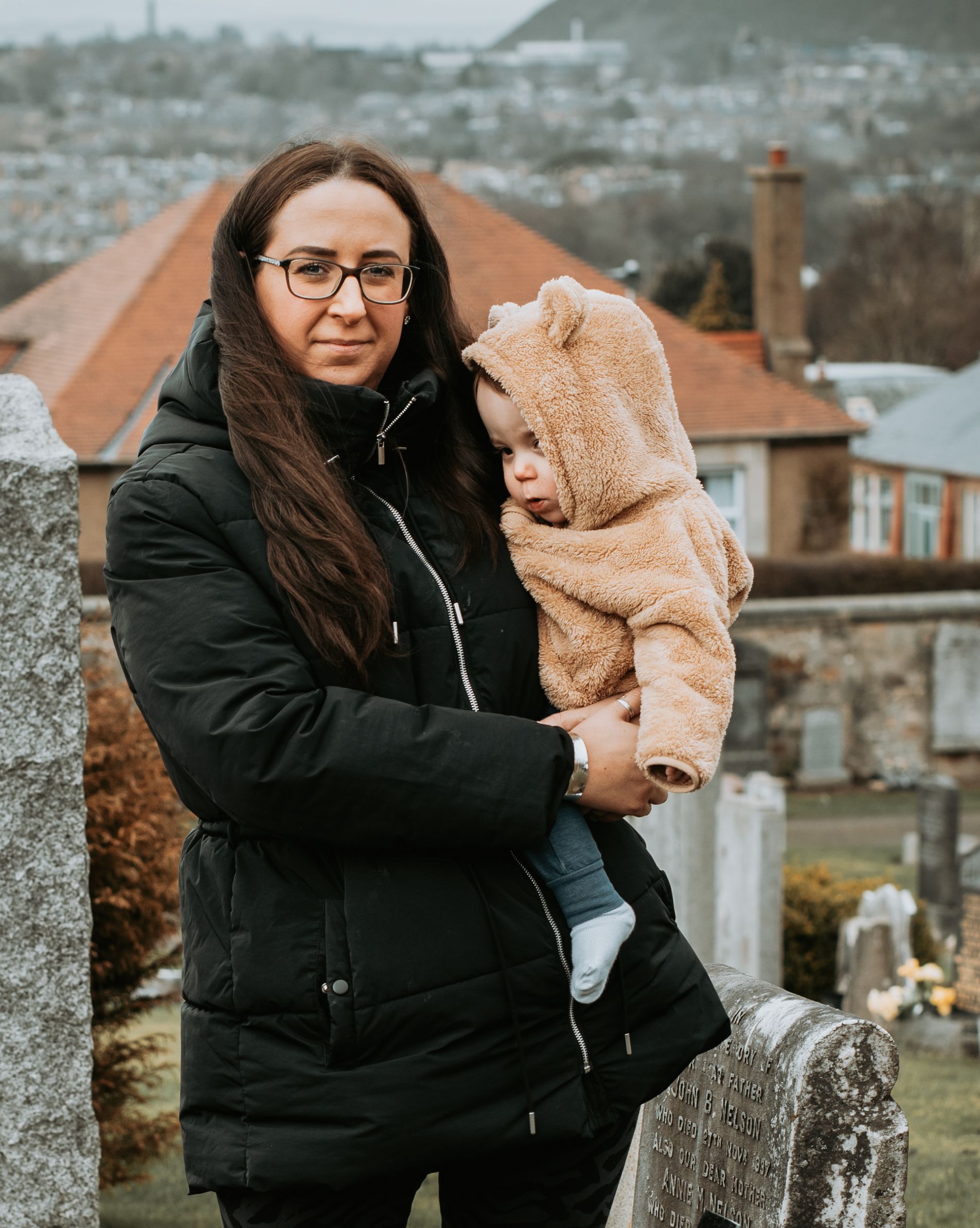
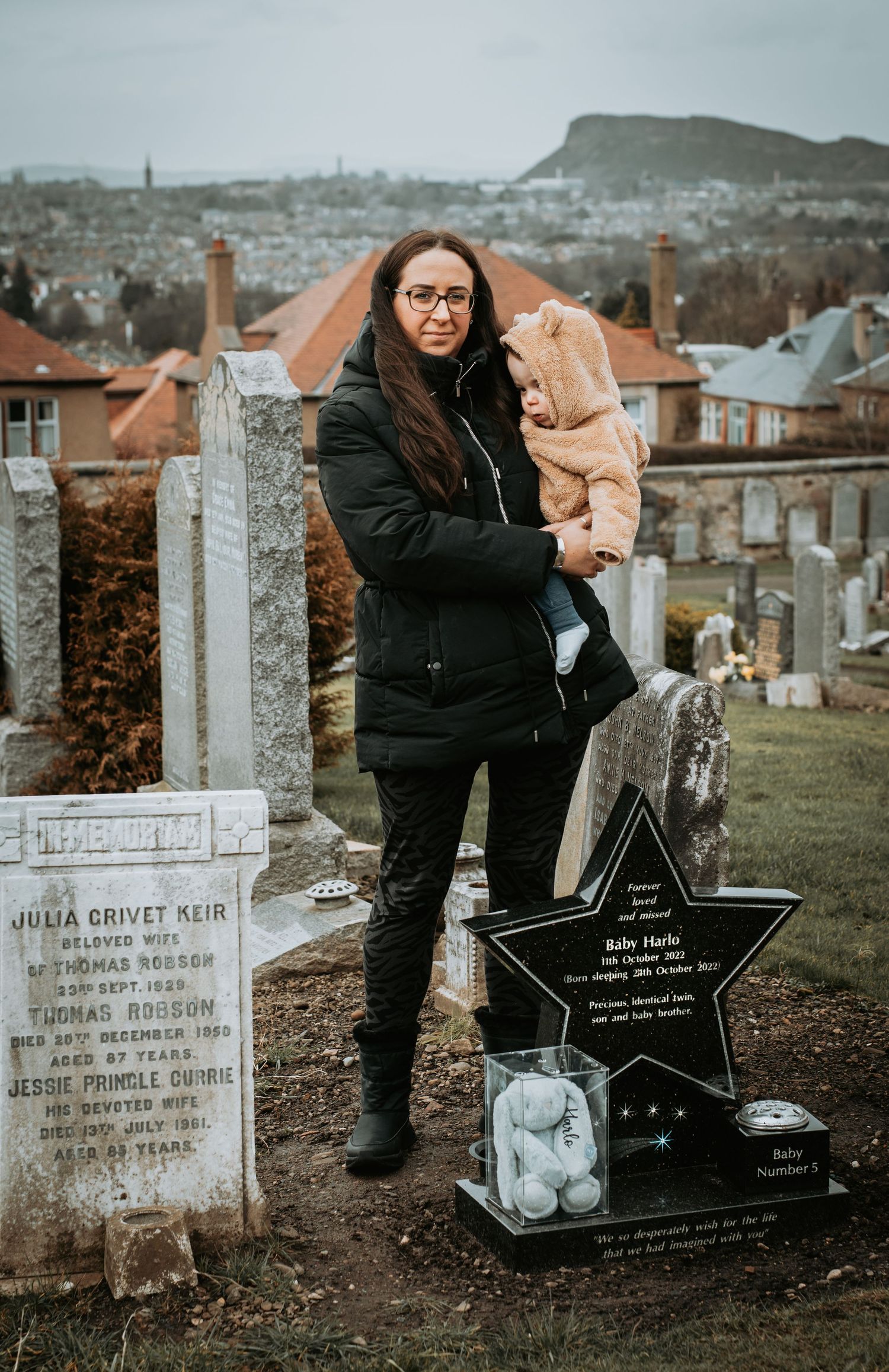
So that was me admitted back into the hospital, advised that my body may go into labour (likely within the first 24hrs) to “clear out” but thankfully it didn’t. Then I got the news that due to the shared placenta a “surge” would have happened at the moment of death which could kill my surviving twin (likely to happen within a few days / the first week) or alternatively could cause brain damage - which would take up to 4wks to show on an MRI. I stayed in hospital for a couple of nights, with my surviving twin being regularly monitored (if only that had been possible the day before) and then sent on my way home carrying one deceased baby and feeling like I was carrying a grenade with the other. Less than two weeks later at 28 weeks I woke up after a full nights sleep which meant I'd had no movement overnight and realised my surviving baby wasn't moving. I had a fetal medicine scan scheduled so attended for that and my baby was not moving and was extremely poorly but his heart was still beating. I was taken for an emergency c-section, which was a silent delivery of one baby needing whipped away for resuscitation and one baby stillborn. My surviving baby (we named him Maverick) was 2lbs and spent a rocky three months in the neonatal unit and then a further week in RHSCYP after a fortnight at home. He suffered multiple infections, meningitis, sepsis, retinopathy of prematurity which he needed laser eye surgery for and has suffered some quite severe eye damage and vision loss from it and flu. We have now had him home just over a year and he is thriving but his poor brother, Harlo, lies in Liberton cemetery and is a trauma which will never be forgotten. He was in too bad a way for me to see him after birth after being carried for two weeks and damage from the floating intertwin membrane but some reconstruction was possible through a friend in the funeral trade and I was able to spend some time with him in the days before his burial for which I am grateful of but it's a scene I wouldn't wish on any parent.
There's not a day that goes by where I don't wonder if my scan hadn't been pushed back two days or if triage or the ward had contacted my consultants at fetal medicine would he be here with us now.
A post mortem and a PMRT review was undertaken by the hospital but did not bring us any answers. Harlo seemed to be healthy, no issues with my care were found and the MNPI team counselling offered focused on the neonatal journey which was not where the bulk of my trauma lay and once I was home it tailed off and then I unexpectedly received a letter of discharge.
A lot of my aftercare was good but only a few hours after my delivery when I was upset and going over what had happened with Harlo and the lead up to his demise a midwife told me I needed to "put that in a box" (basically stop talking about it) and the following day a doctor from neonatal burst into my room (bereavement suite room) and advised me that "just because I had a baby in neonatal it didn't get me out of being a parent" - the same doctor snapped at me in the unit for queueing to use the sink to wash my hands and told me to go and use the other one at the opposite end of the room which was a long and painful walk so soon after a caesarean section. The bereavement rooms don't have a shower in them only a bath and you can't bath after a caesarean so only option is to use the shower in a room full of happy new mums and healthy babies. The walk to the neonatal unit and out is also along the ward past all the rooms of mums and babies and balloons. It's a heartbreaking scene when in grief or have a baby fighting in neonatal. Then once in neonatal my twin-less twin was regularly surrounded by twins which was hard and a stark reminder of what I had just lost.
Possibly the most traumatic experience was when a midwife came to tell me "Harlo needs to get on his way now for his post mortem" (The cooling room where they keep the babies who have passed is next door practically built on to the Simba bereavement room) I understood the reasons for this so they can bring the baby to the mum if she wishes to see/spend time without going far but it just seemed that distance would have been more appropriate and sympathetic. I had assumed Harlo was away and the next morning I was woken up by crashing and clattering around from that room and heard a man who turned out to be the mortuary porter shouting "where is he? Canny see him!" then shouting over to the midwives station "i'am here for baby Anderson, can't see him" It was really just awful....
testimonial
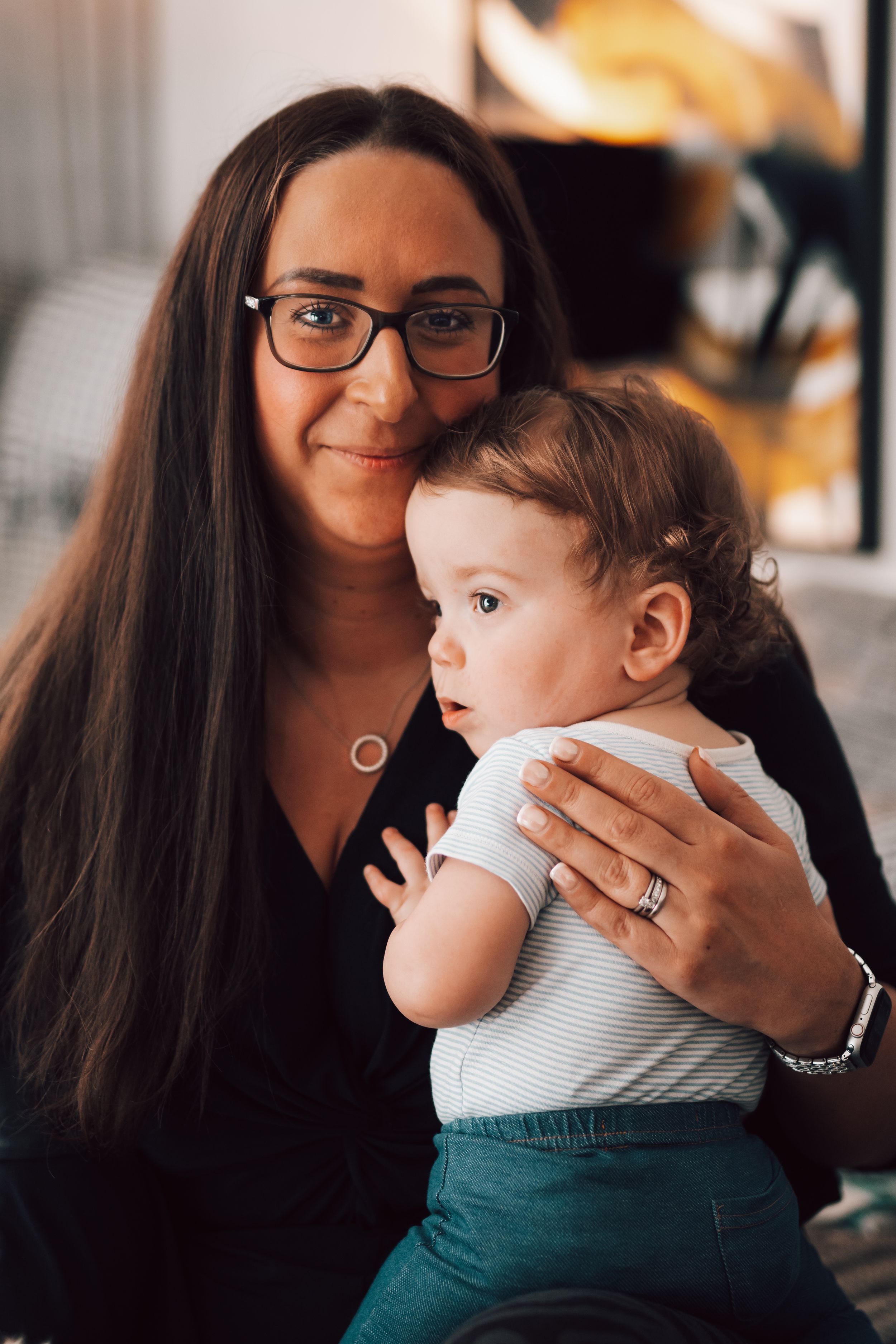
It was quite a moment for me to see the photo of myself with one twin, standing by the others grave / headstone… as that was obviously not the vision in my head I had of me with my twins.. but is actually strangely such a treasured photo as it’s the closest I’ll ever get to having a photo of the three of us “together”.
The chat / interview was quite cathartic as I feel as though nobody would want to hear my story as it’s long, off putting and grim.
To have someone completely aware that it wasn’t a “nice” or happy story yet still so genuinely comfortable to listen and just agree that it was bloody awful and not defend what happened / suggest excuses or encourage me to concentrate on the one I have / the one who did survive was really lovely.
Lyndsay
FRAMING THE UNSPOKEN
Shadows and light in the stories of birth trauma.
Introduction:
“Dismissed, unheard, neglected” were some of the words used by the women I met during this project. Not words you would or should associate with giving birth. Women should not have to feel dismissed before, during or after giving birth to their children. Society promotes images of an ideal of the birth experience as life affirming, fulfilling and empowered however in so many thousands of cases in the UK this is simply just not accurate. According to a Scottish Parliamentary Report;
“…additional spending on specialist community perinatal services has not translated into extra capacity and there are still no services that directly address birth trauma. Up to 20% of women in Scotland are affected by mental health problems during pregnancy or the first year of their baby’s life.” (“Fundamental Gaps in Perinatal Mental Health Care,” 2023) Scottish Parliament, Health, Social Care & Sport Committee.
The resulting trauma may be ultimately avoidable in many cases but there are to date no provisions in place specifically to help mothers and families cope with Birth Trauma in the UK. My aim in this project is to raise awareness of this failing, bring about accountability in maternal care and highlight the immediate need for counselling and reform.
This project is one of significant wider importance and also great personal importance based on my own birth experiences. Having now spent months meeting with other birth trauma survivors, spending many hours talking, documenting their stories and executing and producing emotive photographic portraits of them this critical importance has been reinforced. As a result of my traumatic birth experiences, I am in a unique position to help the mothers feel at ease and am able to empathise with the worst days and months of their lives. I have gathered evidence from listening to the women and have enabled them to gain recognition and in some cases closure of their experiences through this process. The images taken of them testify to their strength and resilience and their feedback evidences how talking through the experience and sitting for the portraits has provided the opportunity to reflect on their own trauma.
The Consequences of Birth Trauma:
Birth trauma is known to fundamentally change the brain. “Psychologically traumatic events can affect anybody, but consequences of psychological birth trauma for the mother are very profound, extensive and unforgettable.”( Yildiz et al., 2017).
Women who experience birth trauma or have subsequently been diagnosed with PTSD “Each year in the UK 25,000-30,000 women experience PTSD after birth” (Birth Trauma Scotland, 2023) can have trouble thinking clearly, have difficulty regulating their emotions, and are more vulnerable to stress, fear and hyper-vigilance towards tasks and their baby. Stress and uneasy emotions can leave you feeling raw, frightened, mentally exhausted, unable to focus and with birth trauma in physical pain. Trauma can result in feeling stuck, making it difficult to move forward with what should be the most wonderful time in a mother’s life. Mothers might experience panic attacks, vivid flashbacks to the traumatic experience, feelings of emptiness, struggling to bond with baby, a lack of confidence, feelings of failure and anger. This project looks at why the consequences of giving birth should not result in being traumatised and that every woman should feel confident in making the choice to have a family. The shadow and the light of the birth experience.
The expectations of birth are set out in the guidelines of the Scottish Government Health and Social Care Standards Committee and they break down into Principles and Standards (“Health and Social Care Standards,” 2023.)
To be treated with
· Dignity and Respect
· Compassion
· Be Included
· Responsive Care
· Support and Wellbeing.
Whilst these are admirable, they have proven to be wholly unrealistic based on the research and personal interviews conducted for this project. These standards are set by policy makers. The work Theo Clarke MP has undertaken after suffering a traumatic birth experience has brought to the UK parliament the topic of birth trauma for the first time. A select committee was formed after her delivery of a speech to parliament alongside Rosie Duffield MP. The select committee has gathered evidence from mothers (Closing date 20th February 2024) who have experienced various aspects of birth trauma and presently the session advisory group is in the process of documenting findings which will result in policy reform.
https://protect-eu.mimecast.com/s/LUmuCP73vFKMxqVEt0srWk?domain=bbc.co.uk (Link to Theo Clarkes speech in parliament, BBC, 2023)
The Birth Trauma Association describes the consequences as follows “Often women say that the trauma of the birth has been made worse by neglect or poor communication from the health professionals looking after them. We hear a lot of stories of women being denied pain relief, or having procedures performed on them without their consent. This is particularly distressing because women feel betrayed by the very people they trusted to look after them.” (Birth Trauma Association “What is Birth Trauma?” 2024)
The standards that the Scottish Government committee set out for the NHS to adhere to (“Health and Social Care Standards,” 2023.) such as being “fully involved in all decisions about my care” and “I have confidence in the people the support and care for me” are not being followed. One of my studies Annie describes “being made to feel uncomfortable, embarrassed, judged and belittled” following her birth experience and subsequent surgery. This clearly underlines the disparity between policy, expectations and the reality for many women.
The Process of Recognition and Affirmation:
To fully investigate the subject of Birth Trauma and its effect on women it was necessary to speak online and then in person to a selection of women. As planned, I reached out via social media to an online group called Egg, a female only collective for collaboration in business or events. I placed a call out on the Edinburgh/Perth Egg Facebook pages and received an overwhelming number of responses. All contacts were logged and each potential volunteer’s experiences analysed then narrowed down to five women each with varying experiences of birth and maternal care. It was important to contact them before arranging meetings to ensure they were comfortable with sharing their experiences and also that they were happy to have portraits taken. Each meeting took place over a three-month period as it was also difficult sharing my own experience each time and it was important to take time to regroup, write up the notes and edit images before seeing the next volunteer. A spreadsheet was developed collating contact details, stories, any issues that might arise and this was kept up to date over these three months.
Each meeting involved spending several hours with each mother in her home discussing shared experiences, taking notes and taking portraits either in their home environment or on location. Due to this and the sensitive nature of the meetings it was impossible to pre-empt what images I would end up taking as it was dependent on their home set ups, time of day and the feel of the meeting. I took the portraits after the conversations; on reflection some amazing emotive images would have occurred during however it would have been insensitive and inappropriate as it was crucial to first gain trust and ensure a supportive context. The locations chosen in each home sometimes involved working around toddlers or including sleeping babies. It was important for the images to show the mothers in their own environment so I didn’t want the home locations to be staged, just in real time.
I had prepared three questions to ask each volunteer but in practice this proved impractical and not personal enough when meeting the women in their own homes often with young children around.
The proposed questions were:
1. What was traumatic about your baby’s birth?
2. What support or counselling if any did you receive after birth?
3. What would have helped you better come to terms with your birth experience?
Instead, the meetings had to be more informal and conversational, just two mothers sharing their experiences of trauma and there were times where emotions took over and this was all part of the creative process. I took notes to make sure key points were noted down, also during conversation it was necessary to assess the location discreetly to decide on portrait setting. In each situation it was extremely important to use sensitivity in questioning, listening skills, empathy and to make sure that the mothers felt safe with me to share such traumatic experiences putting into words something they perhaps haven’t spoken to many people about much less a stranger.
The portraits needed to be taken in a safe space for each mother, I didn’t want the images to show victims but strong, resilient, courageous and inspirational women regardless of living with the trauma experienced. The set ups varied dependent on locations, houses and space available, portraits were taken after the conversations once trust had been gained. Sometimes this was with sleeping babies, lively toddlers or peacefully in a bedroom. The exception was relocating to Liberton cemetery for an additional set of portraits with Lindsay. Lindsay lost one of her twins at 26 weeks, in her mind, due to negligence and not being listened to when examined in hospital. When discussing our meeting she suggested that she wanted to include a portrait of her with surviving baby Maverick at baby Harlo’s graveside. I was mindful to ensure that she would feel prepared. It was important for her to show in a raw form what has happed to her and her family. It was confronting to see the headstone however Lindsay’s strong resilience was evident and is reflected in her portraits. It was crucial to her story to show this special moment and in her own words, “It was quite a moment for me to see the photo of myself with one twin, standing by the others grave as that was obviously not the vision in my head, I had of me with my twins. It is actually strangely such a treasured photo as it’s the closest I’ll ever get to having a photo of the three of us “together” (Quote, Lindsay Anderson in person, 2024)
The equipment I chose to use needed to be as unobtrusive as possible I had no intentions of using a full lighting set up but took lighting in case, I took a DSLR Nikon d7500, favoured lens 50mm 1.4 Sigma Art as I wanted to have a strong focused subject with the surroundings in soft focus/DOF, I also had a telephoto zoom 24-105mm Sigma Art lens, in certain situations with Lindsay as we shot in two locations I used 85mm 1.4 and also 10-24 wide angle lens to capture the setting with Edinburgh city centre in the background. I found that the prime lens 50mm worked as I wanted to adding in some fill flash when needed with an on camera speedlight. I chose not to film or record the woman’s stories, due to the nature of the subjects discussed and also the conversational style that the interviews took I felt that taking notes was sufficient.
During the conclusion of this project, it was important to set aside sufficient time to make selections from the portraits taken and evaluate which images would show the mothers who sat for me in an emotive yet strong way. Feedback was sought from fellow students and lecturers before making the final selection of six images. My skills in printing were not strong so I spent time researching how to edit and resize each image to ensure successful A3 prints. As it was important to explain to the viewer who each woman was, I spent time selecting small quotes from the interviews and learned how to place text within photoshop files via layers. Learning these new skills was essential to the project’s outcome as I wanted to ensure full impact by printing the images including text.
The Impact of this project and the longer term need for action:
The reality in many cases after experiencing birth trauma is a life living with at least unease but in many cases PTSD, nightmares, anxiety, depression, physical trauma and injury, relationship breakdowns and in extreme circumstances the deaths of mothers and babies. The evidence from the study below indicates strongly that if mothers were prepared before birth for potential difficulties arising and were listened to by medical professionals at early stages outcomes may be very different.
“Getting maternity care right for every woman and baby is the cornerstone of family health – it is an essential element of giving all Scotland’s children the best possible start in life. We know however that not all of our children have that start in life, for whilst maternity care in Scotland is amongst the safest and of the highest quality in the world, significant inequalities exist in maternal and infant health outcomes” (“Maternity survey 2023 - Care Quality Commission,” n.d.)
It was important to ask the women who took part in the project to give feedback on what the experience was like for them and how sharing their stories made them feel. It was also important to understand, when sharing the images, I produced of them and their children, how the images affected them. Did the images bring about any feelings of closure, therapy or even healing?
Marianne, “Meeting Jennifer, telling my story and having pictures taken felt quite natural and like a download/relief of information to a very compassionate ear. Then seeing the photo of me as a mother with my beautiful boy just gives me such a sense of gratitude to have him here and thriving. A sense of closure. Definitely a therapeutic experience.”
Tanya, “When I was asked to do this, I felt like someone was listening to me without dismissing me for the first time since my last baby. Speaking to Jennifer too was so helpful and reassuring. It’s been a privilege to be chosen and I am so grateful to Jennifer.”
Annie, “I was a little nervous before our meeting as I didn’t know what to expect. Straight away you made me feel comfortable and relaxed. I talk about my story often since it’s so recent but it’s usually in quite a matter-of-fact way. With you having told me your story It felt easy to open up to you on a more emotional level instead of just stating facts. You made me feel heard and I felt you actively listening.”
Lindsey, “It was quite a moment for me to see the photo of myself with one twin, standing by the others grave as that was obviously not the vision in my head I had of me with my twins, but is actually strangely such a treasured photo as it’s the closest I’ll ever get to having a photo of the three of us “together”. The interview was quite cathartic as I feel as though nobody would want to hear my story as it’s long, off putting and grim. To have someone completely aware that it wasn’t a “nice” or happy story yet still so genuinely comfortable to listen and just agree that it was bloody awful and not defend what happened, suggest excuses or encourage me to concentrate on the one who did survive was really lovely.”
Moving forward there needs to be a strong focus on preparing women in pre-natal care about what could possibly go wrong and to normalise birth experiences that don’t go to plan, equipping women and giving them the skills and knowledge to be able to ask the right questions during birth. There are many classes offered assisting women with preparing for birth and motherhood however funding needs to be put in place to add appropriate support educating women about what the alternatives could be. Societal norms portray birth in an idealistic way meaning many mothers who experience trauma are often fundamentally disillusioned by what occurs.
The recognition and investment from the UK and Scottish Governments and health services into Birth Trauma and PTSD services is crucial in providing the resources and emotional support for the mothers and families affected. By promoting awareness of birth trauma and destigmatising the mental health issues new mothers experience this will contribute to the well-being and resilience of women after birth and the wellbeing of their children and families for the years that follow.
As Theo Clarke MP is quoted “We need to break the taboo by talking about this,”(“Birth Trauma,” 2023) if more discussion occurs via healthcare providers and policy makers who can facilitate women feeling able to express their concerns and have their birth experiences heard things can change for the better for many future mothers.
Conclusion:
“Without women bravely speaking about their experiences, nothing can be done to change the narrative and to bring about positive change to the birth safety and experiences any woman would expect to receive in a first-world country.” (“Britain’s first Birth Trauma Inquiry launched – and you can help change policy | Bolt Burdon Kemp,” 2024.)
This project aimed to raise awareness of birth trauma an issue that is not talked about, funded or acknowledged adequately by the NHS. There are fundamental changes that need to be made within the health service to make women aware of what happens when their birth does not go to plan as expected, this needs to happen during prenatal care and be talked about openly with channels of communication being open and accountable. With the select committee APPG (All Party Parliamentary Group) delivering the evidence report in April 2024 to the UK parliament one can only await the potential reforms that hopefully will come from this. There will be seven sessions from Monday 5th February to 18th March 2024 hearing the thousands of birth trauma experiences submitted to the select committee with the results published in April 2024.
As a visual essay it was important to include the portraits and a summary of the experiences of the women involved within the body of the work to ensure impact and enable the reader to identify with them. The project identifies what birth trauma is, the consequences to mothers and how photography can impact by giving recognition, enabling the woman to feel heard and ultimately help heal. This is therefore a reflection of the shadows and light of birth trauma through photographic portraiture. The project highlights and underpins the measures needed to remedy the lack of awareness of a subject that affects almost a quarter of mothers who give birth in this country.
The portraits produced and executed show the reality of the strength and resilience of the women who survive and live with the consequences of birth trauma whilst carrying with them the physical and mental consequences in their everyday lives as mothers. paragraph. Click edit and enter your own text. You can make changes like making the text bold, underline or italic. This is a great place for you to tell your clients more about your story and to describe the type of photographer you are. You can come back at any time to make more changes.